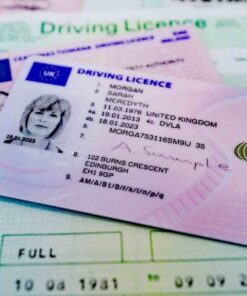
Buy Drivers License
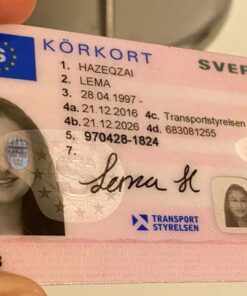
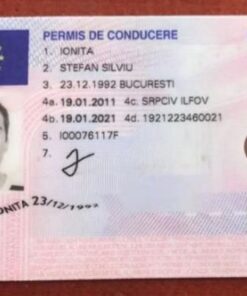
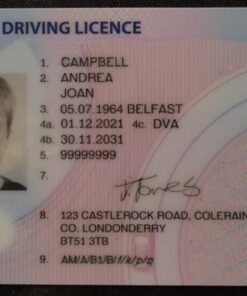
Have you tried a number of times but still couldn’t pass the driving test? Are you tired of appearing for driving tests and failing every time? Do you want to buy real driving license online? We are here to help you with this. As one of the famous real drivers license makers, we are here to make your life a little bit less complicated. We give you the freedom to get a real drivers license online without appearing for the driving test. Sounds cool?
Contact us for Inquiry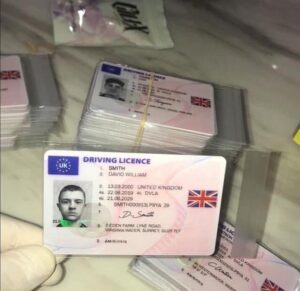 GENUINE DRIVING LICENSE
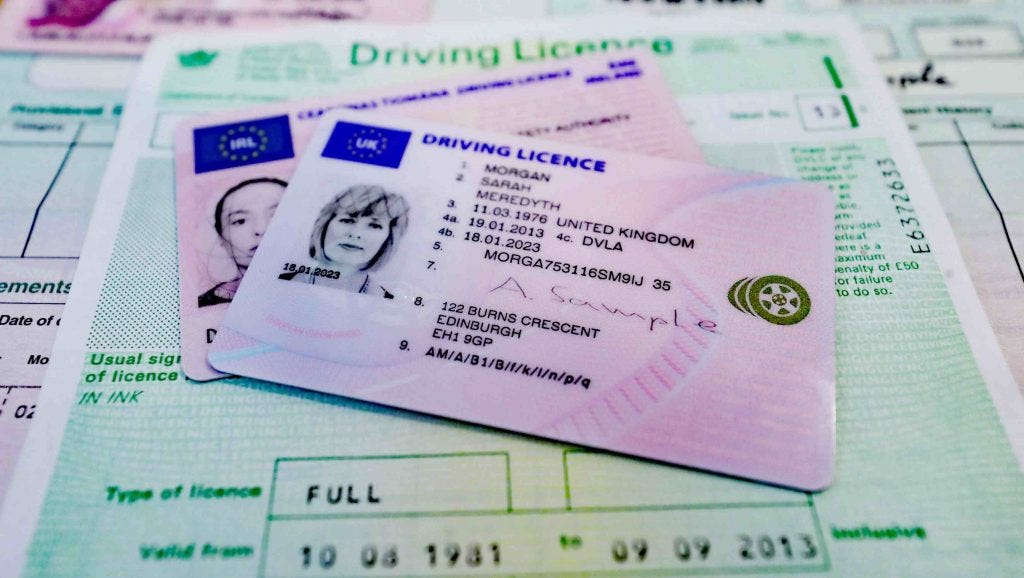
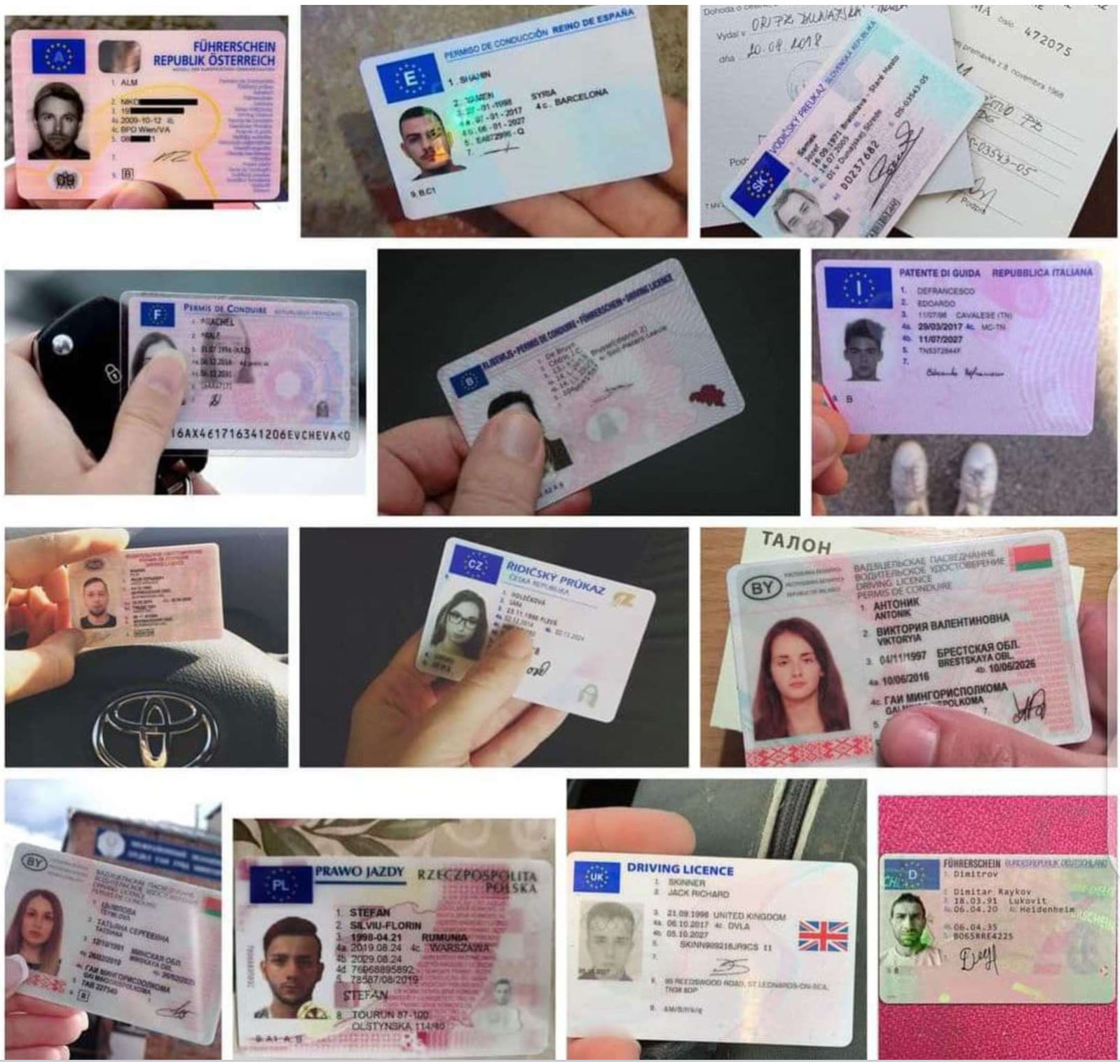
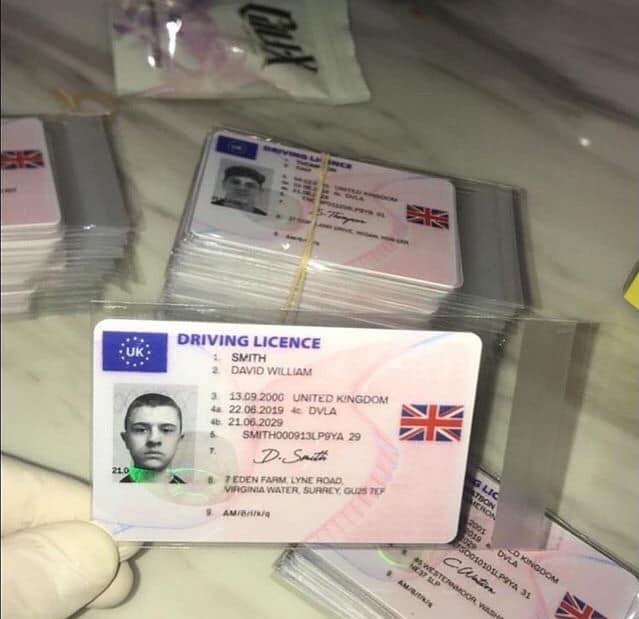
Genuine Driving License , If you want to buy genuine driving license online from documents center, we make it easy. The process to buy genuine driving license starts when you contact us on this through this website . Then you apply to buy genuine driving license through our “Apply – Buy Drivers License” form .click HERE to place an inquiry.
Fill the form correctly because the form will be used to produce the genuine driving license you buy from us. The drivers License is then registered in the databases and delivered at the address you provide. Stay in touch with our agents throughout the process to buy genuine driving license. This will enable easy corrections if there are any errors on your information.
Different Types of Driver’s Licenses Explained: A Complete Guide
A driver’s license is more than just a legal document—it determines the types of vehicles you are permitted to operate. Whether you’re a first-time driver, planning a career in commercial transportation, or looking to ride a motorcycle, understanding the different types of driver’s licenses is essential.
While license classifications vary from country to country and even between states or provinces, most follow a similar structure based on vehicle type, weight, and purpose. In this guide, we’ll explain the most common driver’s license types, what they allow you to drive, and who needs them.
What Is a Driver’s License?
A driver’s license is an official document issued by a government authority that authorizes an individual to operate one or more classes of motor vehicles on public roads. To obtain a license, applicants typically must:
- Meet the minimum age requirement
- Pass a written knowledge test
- Complete a vision screening
- Demonstrate driving skills through a practical road test
- Meet any additional local requirements
The type of license you receive depends on the vehicles you intend to drive.
Why Are There Different Types of Driver’s Licenses?
Not all vehicles require the same level of skill to operate safely. Driving a passenger car is very different from operating a tractor-trailer, bus, or motorcycle. Different license classes help ensure that drivers receive training and testing appropriate for the vehicles they will use.
The main categories include:
- Non-commercial licenses
- Commercial driver’s licenses (CDLs)
- Motorcycle licenses
- Learner’s permits
- Provisional or graduated licenses
- Specialty endorsements
1. Standard (Non-Commercial) Driver’s License
A standard driver’s license is the most common type and is intended for everyday personal transportation.
Vehicles You Can Drive
- Passenger cars
- Sedans
- SUVs
- Pickup trucks
- Minivans
- Small recreational vehicles (subject to local rules)
Who Needs It?
Anyone who drives a personal vehicle for non-commercial purposes.
Common License Class Names
Depending on your country or state, this license may be known as:
- Class C
- Class D
- Class E
- Category B (in many European countries)
2. Commercial Driver’s License (CDL)
A Commercial Driver’s License is required for operating heavy vehicles used for business or public transportation.
Class A CDL
Allows drivers to operate combination vehicles with a high gross combined weight rating.
Examples include:
- Tractor-trailers
- Semi-trucks
- Livestock carriers
- Tanker trucks
- Flatbed trailers
Common careers:
- Long-haul truck driver
- Freight transporter
- Heavy equipment hauler
Class B CDL
Designed for heavy single vehicles.
Examples include:
- Straight trucks
- Dump trucks
- Large buses
- City buses
- School buses (with endorsement)
Common careers:
- Bus driver
- Delivery truck operator
- Construction vehicle driver
Class C CDL
For vehicles that don’t qualify as Class A or B but require special licensing.
Examples include:
- Passenger vans carrying large groups
- Small buses
- Hazardous materials transport vehicles
Additional endorsements may be required for transporting passengers or hazardous cargo.
3. Motorcycle License
Motorcycles require a separate license or endorsement because they demand specialized riding skills.
Vehicles Covered
- Motorcycles
- Scooters (depending on local laws)
- Mopeds in some jurisdictions
Applicants often complete:
- A written motorcycle knowledge test
- A motorcycle skills test
- An approved rider safety course (in some regions)
4. Learner’s Permit
A learner’s permit is the first step toward obtaining a full driver’s license.
Purpose
It allows beginners to practice driving under supervision before taking the road test.
Typical restrictions include:
- Driving only with a licensed adult
- No late-night driving
- Passenger limitations
- Zero alcohol tolerance
5. Provisional or Intermediate License
Many countries use a Graduated Driver Licensing (GDL) system for new drivers, especially teenagers.
This intermediate stage helps new drivers gain experience before receiving a full unrestricted license.
Common restrictions include:
- Night driving curfews
- Passenger limits
- Mobile phone restrictions
- Lower legal alcohol limits
After meeting experience and age requirements, drivers receive a full license.
6. International Driving Permit (IDP)
An International Driving Permit is not a standalone driver’s license. Instead, it is a translation of your valid domestic driver’s license into multiple languages.
Benefits
- Accepted in many countries
- Helpful when renting a car abroad
- Easier communication with foreign authorities
Always carry your original driver’s license along with the IDP, as the permit is not valid on its own.
7. Specialized Driver’s Licenses
Some drivers require additional licenses or endorsements based on the type of vehicle or cargo.
Examples include:
School Bus License
Required for transporting schoolchildren and often involves background checks and additional testing.
Hazardous Materials (HazMat) Endorsement
Needed for transporting flammable, explosive, or other regulated materials.
Passenger Endorsement
Required for operating buses or vans carrying multiple passengers.
Tank Vehicle Endorsement
Allows drivers to operate vehicles transporting liquids or gases in bulk tanks.
Driver’s License Categories Around the World
Although classifications vary, many countries use similar systems.
| Region | Common License Categories |
|---|---|
| United States | Class A, B, C, D, M |
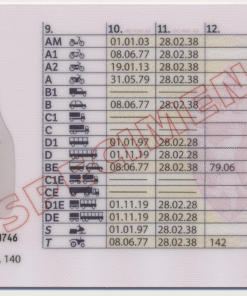
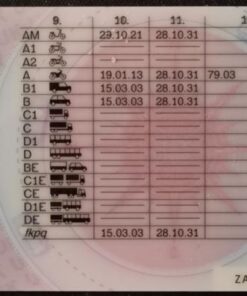
| European Union | AM, A1, A2, A, B, BE, C, CE, D, DE |
| United Kingdom | AM, A1, A2, A, B, C, D |
| Canada | Class 1–7 (varies by province) |
| Australia | C, LR, MR, HR, HC, MC |
Always check your local licensing authority for the specific classes and requirements in your jurisdiction.
How to Choose the Right License
The license you need depends on the type of vehicle you plan to drive.
| Vehicle Type | Typical License Needed |
|---|---|
| Passenger car | Standard driver’s license |
| Motorcycle | Motorcycle license or endorsement |
| School bus | Commercial license with passenger and school bus endorsements |
| Semi-truck | Class A CDL (or equivalent) |
| City bus | Class B CDL with passenger endorsement |
| Heavy trailer combination | Class A CDL (or equivalent) |
Frequently Asked Questions
Can I drive a motorcycle with a regular driver’s license?
In many countries, no. A separate motorcycle license or endorsement is usually required, although some jurisdictions permit smaller scooters or mopeds with a standard license.
What is the difference between a Class A and Class B CDL?
A Class A CDL generally allows you to operate combination vehicles with heavy trailers, while a Class B CDL covers heavy single vehicles such as buses and straight trucks.
Is an International Driving Permit the same as a driver’s license?
No. An IDP is a companion document that translates your existing driver’s license. It does not replace your domestic license.
Can I upgrade my driver’s license later?
Yes. Many drivers begin with a standard license and later obtain motorcycle, commercial, or specialized endorsements as their needs change.
Final Thoughts
Understanding the different types of driver’s licenses can help you choose the correct license for your needs and ensure you comply with local laws. Whether you’re driving a family car, riding a motorcycle, operating a commercial truck, or traveling internationally, having the appropriate license is essential for both legal compliance and road safety.
Before applying, review the requirements set by your local licensing authority, as classifications, age limits, testing procedures, and vehicle categories can differ between countries and regions. Choosing the right license is the first step toward becoming a confident, responsible, and qualified driver.

 English
  French
  Portuguese
  Italian
  Chinese
  Spanish
评价
目前还没有评价