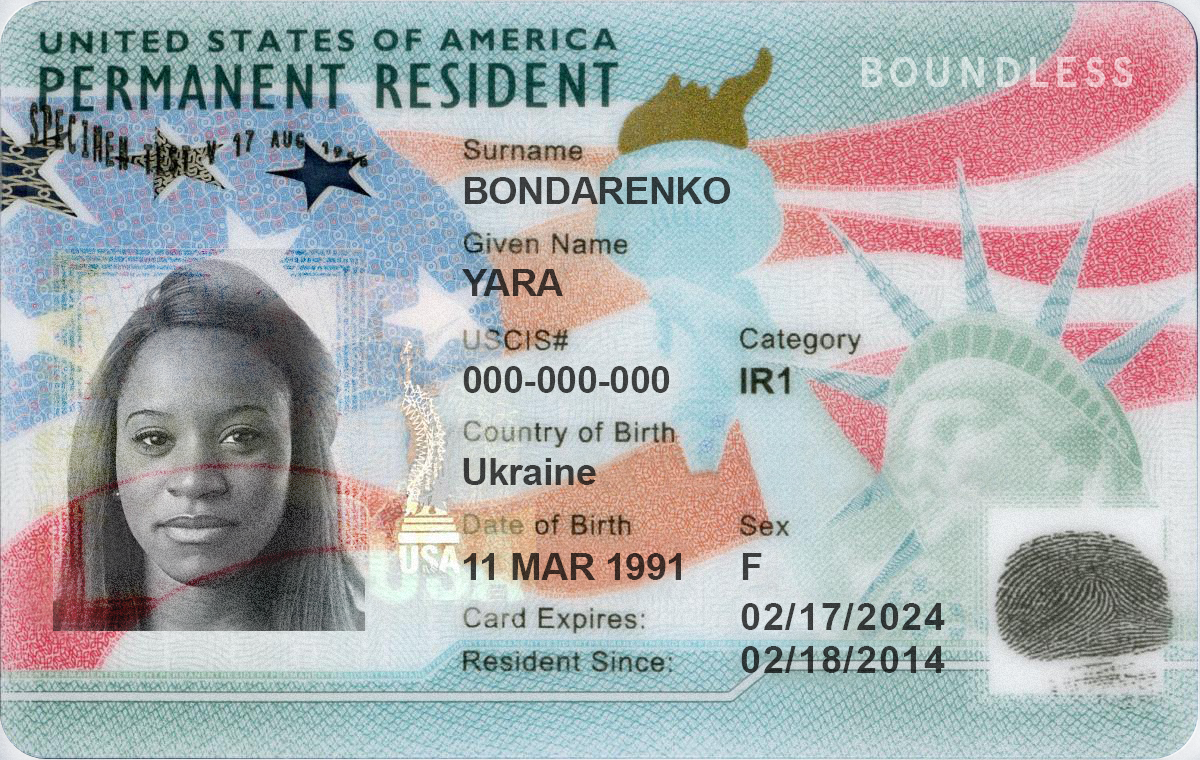
Buy Authentic American Green Card


Everyone is entitled to the American Dream. Some wait for years to win the green card lottery. (They make it sound like it’s done with a scratch-and-win card). In order to reap the fruits of prosperity in this land of plenty, I shall try to get a green card by mid-afternoon–no later. How hard can it be?
Contact us for Inquiry American Green Card
American green card , winning a Green Card in the DV Lottery is a matter of luck. Which makes it similar to an actual lottery drawing. Out of 9.5 million individuals who went this route in 2023. Only 55,000 lucky winners were granted an opportunity to settle in the US. So, why leave your future to chance when you can buy a US Green Card and take control of your immigration story?.
click HERE to place an inquiry .
American Green Card: Complete Guide to Eligibility, Application Process, Benefits, and Requirements
The American Green Card, officially known as a Permanent Resident Card, is one of the most important immigration documents in the United States. It allows foreign nationals to live and work permanently in the U.S. while providing a pathway toward U.S. citizenship.
Every year, millions of people apply for a Green Card through family sponsorship, employment opportunities, investment programs, humanitarian programs, and other immigration pathways. Understanding the eligibility requirements, application process, benefits, and responsibilities of permanent residency is essential for anyone planning to build a future in the United States.
This complete guide explains everything you need to know about the U.S. Green Card, including types, requirements, application steps, renewal, and the path to citizenship.
What Is an American Green Card?
An American Green Card is an official identification document issued by the United States Citizenship and Immigration Services (USCIS) that proves an individual has lawful permanent resident status in the United States.
Green Card holders are legally allowed to:
- Live permanently in the United States
- Work for most employers
- Study in U.S. institutions
- Start businesses
- Buy property
- Sponsor certain family members for immigration
- Apply for U.S. citizenship when eligible
Unlike a temporary visa, a Green Card provides long-term residence rights and does not require continuous visa renewals.
Who Can Get a Green Card?
A foreign national may qualify for a U.S. Green Card through several immigration categories, including:
- Family relationships with U.S. citizens or permanent residents
- Employment opportunities
- Investment in the U.S. economy
- Refugee or asylum status
- Diversity Visa Program
- Special immigrant categories
Eligibility depends on factors such as:
- Immigration category
- Relationship to sponsors
- Employment qualifications
- Background checks
- Financial requirements
- Availability of immigrant visas
Types of American Green Cards
The United States offers several pathways to permanent residence.
Family-Based Green Card
A large number of Green Cards are issued through family sponsorship.
Eligible relationships may include:
Immediate Relatives of U.S. Citizens
Includes:
- Spouses of U.S. citizens
- Unmarried children under a certain age
- Parents of U.S. citizens
These categories often have priority because immigrant visas are generally more available.
Family Preference Categories
These include:
- Adult children of U.S. citizens
- Married children of U.S. citizens
- Brothers and sisters of U.S. citizens
- Spouses and children of permanent residents
Waiting times vary depending on the category and applicant’s country of origin.
Employment-Based Green Card
The employment-based Green Card allows qualified foreign workers to become permanent residents through their professional skills and employment opportunities.
Common categories include:
EB-1: Priority Workers
For individuals with:
- Extraordinary abilities
- Outstanding professors or researchers
- Certain multinational executives and managers
EB-2: Professionals and Advanced Degree Holders
For individuals with:
- Advanced degrees
- Exceptional ability in their field
- Certain national interest qualifications
EB-3: Skilled Workers and Professionals
For:
- Skilled workers
- Professionals
- Certain other workers
EB-4: Special Immigrants
Includes certain groups such as:
- Religious workers
- Certain government employees
- Other specialized categories
EB-5: Investor Green Card
The EB-5 program allows qualified investors to seek permanent residence by making a significant investment in U.S. businesses and meeting job creation requirements.
Diversity Visa Green Card Lottery
The Diversity Visa (DV) Program, commonly known as the Green Card Lottery, provides an opportunity for individuals from eligible countries to apply for permanent residence.
Applicants are selected randomly through a government-managed process.
Requirements generally include:
- Being from an eligible country
- Meeting education requirements or qualifying work experience
- Completing the application correctly
Winning the lottery does not automatically guarantee a Green Card; applicants must still complete the required immigration process.
Humanitarian Green Card Programs
Certain individuals may qualify for Green Cards through humanitarian protections.
Examples include:
- Refugees
- Asylees
- Victims of certain crimes
- Victims of human trafficking
- Individuals protected under special immigration programs
Eligibility depends on meeting specific legal requirements.
How to Apply for an American Green Card
The Green Card application process depends on your immigration category.
The general process includes:
Step 1: Determine Eligibility
First, identify the immigration category that applies to you.
Common pathways include:
- Family sponsorship
- Employment sponsorship
- Investment
- Diversity Visa
- Humanitarian protection
Step 2: File an Immigration Petition
In many cases, a sponsor must first file a petition with USCIS.
Examples:
- A family member files a family petition.
- An employer files an employment petition.
Some applicants may be able to file directly depending on their situation.
Step 3: Wait for Visa Availability
Some categories have annual limits, meaning applicants may need to wait until an immigrant visa number becomes available.
Waiting times depend on:
- Visa category
- Country of birth
- Government processing times
Step 4: Submit the Green Card Application
Eligible applicants may apply through:
Adjustment of Status
For applicants already inside the United States who qualify.
Consular Processing
For applicants applying through a U.S. embassy or consulate abroad.
Step 5: Attend Interviews and Medical Examination
Applicants may need to complete:
- Immigration interview
- Background checks
- Medical examination by an approved physician
- Fingerprinting
Step 6: Receive Your Green Card
If approved, USCIS issues the Permanent Resident Card, allowing you to live and work permanently in the United States.
Documents Required for a Green Card Application
Required documents vary depending on the application type but may include:
- Valid passport
- Birth certificate
- Marriage certificate (if applicable)
- Immigration forms
- Proof of relationship (family cases)
- Employment documents (work cases)
- Financial support documents
- Medical examination results
- Photographs
- Police certificates when required
Benefits of Having a U.S. Green Card
A Green Card provides many advantages, including:
Permanent Residence
Green Card holders can live permanently anywhere in the United States.
Employment Rights
Permanent residents can generally:
- Work for most U.S. employers
- Change jobs more freely than visa holders
- Start businesses
(Some government positions may require U.S. citizenship.)
Education Opportunities
Green Card holders can:
- Attend U.S. schools and universities
- Qualify for certain resident tuition benefits depending on state rules
Travel Benefits
Permanent residents can:
- Travel internationally
- Return to the United States as lawful permanent residents
However, extended stays outside the U.S. may affect residency status.
Pathway to U.S. Citizenship
A Green Card is often the first step toward becoming a U.S. citizen.
Many permanent residents may apply for citizenship after meeting requirements related to:
- Length of residence
- Physical presence
- Good moral character
- English and civics knowledge
Green Card Renewal and Replacement
A Green Card is generally valid for 10 years and must be renewed before expiration.
Renewal may require:
- Filing the appropriate USCIS form
- Paying renewal fees
- Providing updated information
- Submitting photographs if required
Conditional residents may receive a shorter-term card and must remove conditions before obtaining permanent status.
Conditional Green Card Explained
Some individuals receive a conditional Green Card valid for two years.
Common examples include:
- Certain marriage-based Green Cards
- Certain investor-based Green Cards
Before expiration, the holder must apply to remove the conditions and prove continued eligibility.
Responsibilities of Green Card Holders
Permanent residents must follow U.S. laws and maintain their status.
Important responsibilities include:
- Filing required tax returns
- Updating address information with USCIS
- Avoiding serious criminal activity
- Maintaining continuous residence in the U.S.
- Carrying valid immigration documentation
Common Reasons Green Card Applications Are Denied
Applications may be denied due to:
- Incorrect information
- Missing documents
- Failure to meet eligibility requirements
- Immigration violations
- Criminal history
- Health-related grounds of inadmissibility
- Financial sponsorship issues
Carefully preparing your application can reduce the risk of delays or rejection.
Green Card vs. U.S. Citizenship
| Green Card | U.S. Citizenship |
|---|---|
| Permanent resident status | Full citizenship status |
| Can live and work in the U.S. | Can vote in federal elections |
| Must maintain residency requirements | Can hold a U.S. passport |
| May sponsor certain relatives | Can sponsor more family categories |
| Can be lost under certain conditions | Citizenship is generally permanent |
Tips for a Successful Green Card Application
To improve your chances:
- Choose the correct immigration category.
- Prepare complete documentation.
- Follow USCIS instructions carefully.
- Keep copies of all applications.
- Attend all appointments.
- Maintain legal immigration status.
- Seek professional advice when dealing with complex cases.
Frequently Asked Questions
How long does it take to get a Green Card?
Processing times vary depending on the immigration category, applicant location, and USCIS workload.
Can Green Card holders work in the U.S.?
Yes. Permanent residents generally have authorization to work in the United States.
Can a Green Card holder travel outside the U.S.?
Yes, but extended trips abroad may affect permanent resident status.
Can a Green Card holder become a U.S. citizen?
Yes. Eligible permanent residents can apply for citizenship after meeting residency and other requirements.
How long is a Green Card valid?
Most regular Green Cards are valid for 10 years, while conditional Green Cards are generally valid for 2 years.
Final Thoughts
The American Green Card provides a pathway to permanent residence, employment opportunities, and eventually U.S. citizenship. Whether obtained through family sponsorship, employment, investment, or humanitarian programs, a Green Card allows immigrants to build a stable future in the United States.
Understanding the different Green Card categories, eligibility requirements, application procedures, and responsibilities is the key to successfully navigating the U.S. immigration process. Since immigration laws and procedures can change, applicants should always check the latest information from official U.S. immigration authorities before beginning their application.


 English
  French
  Portuguese
  Italian
  Chinese
  Spanish
评价
目前还没有评价