 Switzerland Drivers License
Switzerland drivers license ,we are here at your service , all you have to do is contact us through this website. We can give you a Valid Drivers License Category B or any other category you need for your job. click HERE to place an inquiry.
The test of the Switzerland Drivers License ,its theory Should not stand between you and your job or your daily transactions. We are in advance connections with insiders in the Swiss Transport agency.
You can also contact us so that we can provide you guides on driving rules in Switzerland. If you also want to read about procedures of legally obtaining drivers license in Switzerland or any other country.
Our agency is also connected in many driving schools in Switzerland which makes driving in Switzerland very easy.
If you have lost your drivers license in Switzerland. It will be good to contact us here to get you a replacement within 3 days. Driving without license in Switzerland can lead to arrest by Police.
Switzerland Driver’s License: Complete Guide to Categories, Requirements, Tests, and Application Process
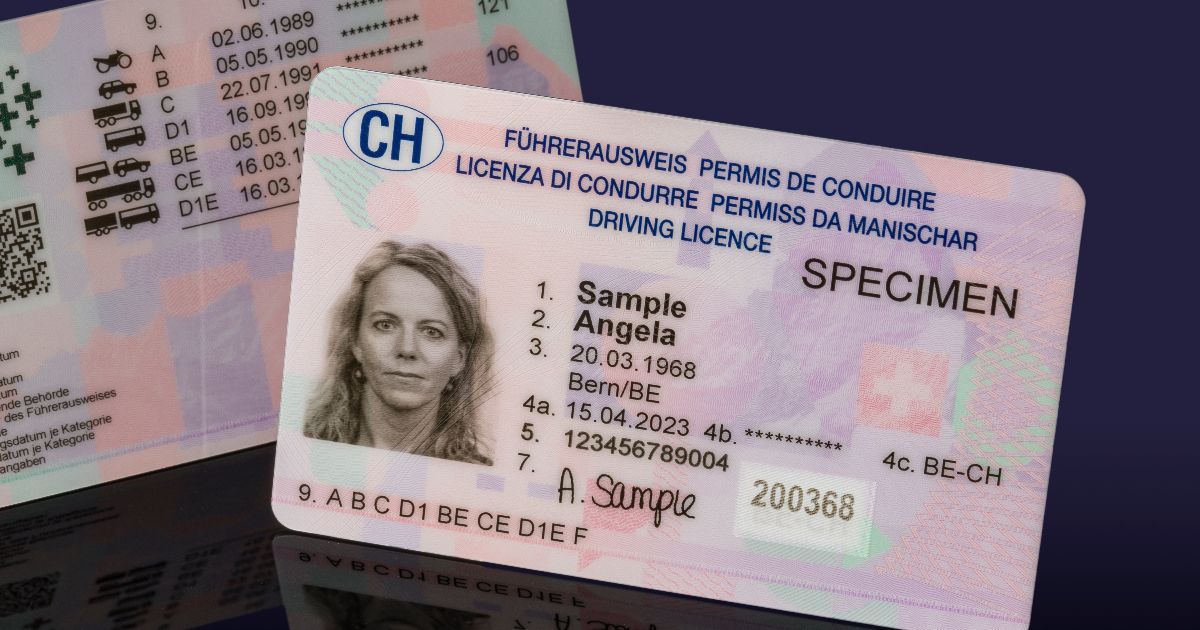
A Swiss driver’s license (Führerausweis / Permis de conduire / Licenza di condurre) is an official document that allows individuals to legally operate vehicles in Switzerland. Known for having a strict and highly structured driving system, Switzerland requires drivers to complete comprehensive training, pass theoretical and practical examinations, and meet specific safety standards before receiving a license.
Whether you are a first-time driver, an international resident, an expatriate, or a professional driver, understanding the Swiss driver’s license system is essential. This guide explains the different license categories, eligibility requirements, application process, driving tests, foreign license exchange rules, and renewal procedures.
What Is a Swiss Driver’s License?
A Swiss driver’s license is a government-issued document that confirms an individual has the knowledge, skills, and legal authorization to drive specific types of vehicles in Switzerland.
Switzerland follows many European driving standards, and its licenses are widely recognized throughout Europe and other countries through international agreements.
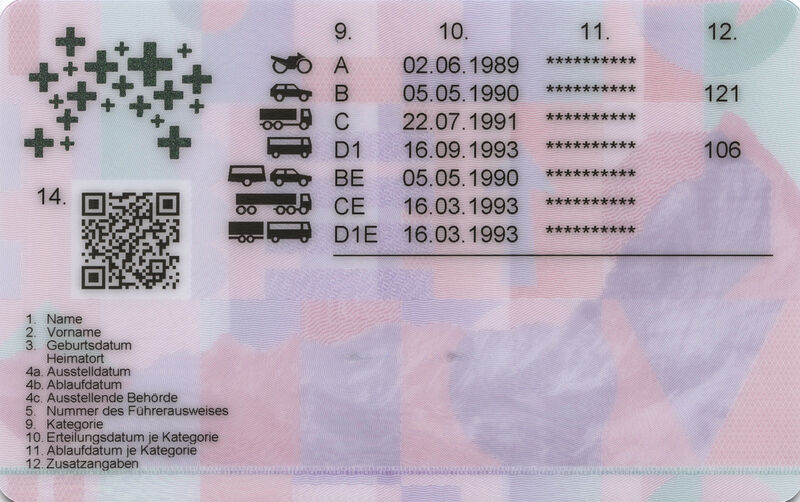
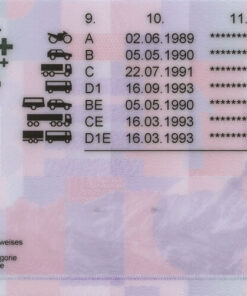
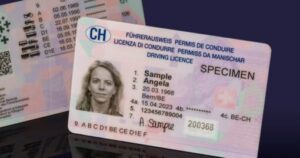
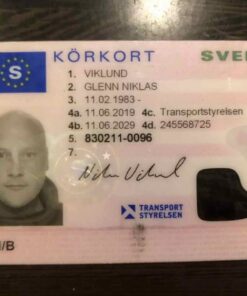
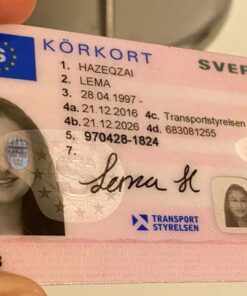
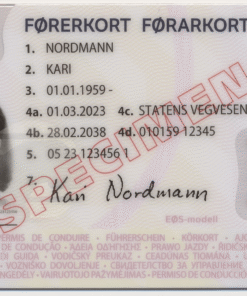
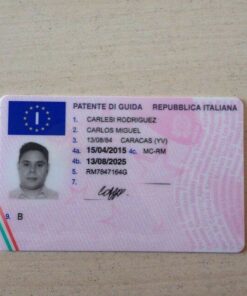
A Swiss driving license contains:
- Driver’s personal details
- Photograph and signature
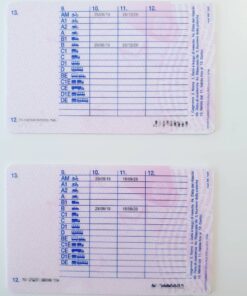
- Authorized vehicle categories
- License issue and expiry dates
- Driving restrictions or special conditions
The license category determines which vehicles the holder can legally operate.
Who Can Apply for a Swiss Driver’s License?
To apply for a Swiss driver’s license, applicants generally need to:
- Meet the minimum age requirement for the chosen category
- Be legally resident in Switzerland
- Pass a medical assessment when required
- Complete approved driving instruction
- Pass the theory examination
- Pass the practical driving test
Foreign residents may also apply by exchanging an eligible foreign driving license or completing the Swiss licensing process.
Swiss Driver’s License Categories Explained
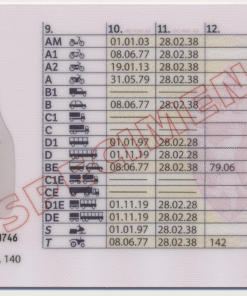
Switzerland uses a vehicle classification system that covers motorcycles, passenger cars, trucks, buses, and specialized vehicles.
The main Swiss driving license categories include:
- Category A – Motorcycles
- Category A1 – Light motorcycles
- Category B – Passenger cars
- Category BE – Cars with trailers
- Category C – Heavy trucks
- Category CE – Heavy trucks with trailers
- Category D – Buses
- Category D1 – Minibuses
- Category F – Special vehicles
- Category G – Agricultural vehicles
- Category M – Mopeds
Category B – Swiss Car Driver’s License
The Category B license is the most common driving license in Switzerland.
It allows drivers to operate:
- Passenger cars
- Small vans
- SUVs
- Light commercial vehicles
Vehicle Requirements
Category B generally covers vehicles with:
- Maximum weight up to 3,500 kg
- Up to 8 passenger seats, excluding the driver
Minimum Age
18 years old
This is the standard license for everyday driving in Switzerland.
Category A and A1 – Motorcycle Licenses
Switzerland offers different motorcycle categories depending on engine size and power.
Category A1
Designed for beginner motorcycle riders.
Allows:
- Light motorcycles
- Motorcycles up to limited engine capacity and power
Minimum Age
Generally 16 years old
Category A
The full motorcycle category allows riders to operate more powerful motorcycles.
Includes:
- Large motorcycles
- High-performance motorcycles
Additional training and experience may be required depending on the rider’s age and previous license category.
Category BE – Car With Trailer License
The BE category allows drivers to tow heavier trailers with a Category B vehicle.
Common uses include:
- Caravans
- Boat trailers
- Horse trailers
- Transport trailers
Drivers may need additional practical training and testing to obtain this category.
Category C – Heavy Truck License
The Category C license is required for operating large commercial trucks.
It allows drivers to operate:
- Heavy goods vehicles
- Freight trucks
- Construction vehicles
This category is essential for professional transport careers.
Applicants usually need:
- A valid Category B license
- Medical fitness approval
- Additional training
Category CE – Truck With Trailer License
The CE category is the highest truck license level.
It allows drivers to operate:
- Tractor-trailers
- Articulated trucks
- Heavy truck combinations
This license is commonly required in:
- Logistics
- International transportation
- Freight industries
Category D and D1 – Bus Licenses
Professional passenger transport requires special bus categories.
Category D1
Allows drivers to operate:
- Minibuses
- Smaller passenger vehicles
Category D
Required for:
- Public buses
- Large passenger coaches
- Commercial passenger transportation
Professional bus drivers may require additional qualifications and professional certifications.
Category F – Special Vehicles
Category F covers certain special motor vehicles with limited speed or specific purposes.
Examples may include:
- Certain work vehicles
- Specialized transport vehicles
Requirements depend on the vehicle type.
Category G – Agricultural Vehicle License
Category G is designed for agricultural vehicles.
It may include:
- Tractors
- Farming machinery
- Agricultural transport vehicles
This category is commonly used by farmers and agricultural workers.
Category M – Moped License
Category M allows individuals to operate mopeds.
It covers:
- Small scooters
- Mopeds
- Low-powered two-wheel vehicles
Minimum Age
Usually available from 14 years old.
How to Get a Swiss Driver’s License
The Swiss driving license process involves several important steps.
Step 1: Apply for a Learner’s Permit
Before practicing driving, applicants must apply for a learner’s permit.
Requirements usually include:
- Application form
- Identification documents
- Eye examination certificate
- Proof of residence
Step 2: Complete First Aid Course
New drivers are generally required to complete a first aid course before taking the theory test.
The course teaches:
- Emergency response
- Accident assistance
- Road safety procedures
Step 3: Pass the Theory Test
The theory examination tests knowledge of:
- Swiss traffic laws
- Road signs
- Safety regulations
- Driving responsibilities
Passing the theory test allows applicants to begin practical driving training.
Step 4: Complete Driving Lessons
Applicants usually take lessons with:
- Professional driving instructors
- Approved driving schools
Training includes:
- Vehicle control
- Parking
- City driving
- Highway driving
- Defensive driving
- Road awareness
Step 5: Pass the Practical Driving Test
The practical examination evaluates:
- Driving skills
- Traffic awareness
- Vehicle handling
- Parking ability
- Safe decision-making
Successful applicants receive their Swiss driver’s license.
Swiss Driver’s License for Foreigners
Foreign residents moving to Switzerland may be able to exchange their existing driving license.
The rules depend on:
- Country that issued the license
- Residency status
- Length of stay in Switzerland
Many foreign licenses must be exchanged within a specific period after establishing Swiss residence.
Some applicants may need to:
- Complete a practical driving test
- Complete additional requirements
- Submit medical documentation
Driving Test Requirements in Switzerland
The Swiss driving test is considered one of the more demanding driving examinations in Europe.
Applicants are expected to demonstrate:
- Strong understanding of traffic rules
- Safe driving habits
- Awareness of pedestrians and cyclists
- Proper vehicle control
- Confidence in different road conditions
Switzerland’s mountainous terrain also means drivers must understand:
- Alpine roads
- Winter driving
- Steep routes
- Weather-related hazards
Renewing a Swiss Driver’s License
Swiss driving licenses may require renewal depending on:
- Age of the driver
- License category
- Medical requirements
Renewal may involve:
- Updated personal information
- New photograph
- Medical checks for older drivers
- Confirmation of eligibility
Keeping your license information updated helps avoid administrative problems.
Benefits of a Swiss Driver’s License
A Swiss driver’s license provides several advantages:
- Legal driving rights in Switzerland
- Recognition throughout many European countries
- Easier vehicle rental internationally
- Access to professional driving opportunities
- Ability to upgrade to additional vehicle categories
Tips for Passing the Swiss Driving Test
To improve your chances of success:
- Study Swiss road signs carefully.
- Practice regularly with an instructor.
- Learn priority rules, especially at intersections.
- Practice parking and maneuvering.
- Understand mountain and winter driving.
- Stay calm and confident during the practical test.
- Follow speed limits carefully.
Swiss Driver’s License vs EU Driver’s License
Although Switzerland is not part of the European Union, Swiss driving licenses follow many European standards.
| Swiss Driver’s License | EU Driver’s License |
|---|---|
| Issued by Switzerland | Issued by EU member states |
| Recognized in many countries | Recognized throughout EU/EEA |
| Uses similar vehicle categories | Uses standardized EU categories |
| Has strict testing requirements | Requirements vary by country |
Frequently Asked Questions
Is a Swiss driver’s license valid in Europe?
Yes. Swiss driving licenses are generally recognized in many European countries.
How difficult is the Swiss driving test?
The Swiss driving test is considered challenging because it focuses heavily on safety, awareness, and practical driving skills.
Can foreigners get a Swiss driver’s license?
Yes. Foreign residents can exchange eligible licenses or apply through the Swiss licensing process.
What is the most common Swiss driving license category?
Category B is the most common because it allows people to drive standard passenger cars.
How long does it take to get a Swiss driver’s license?
The timeline depends on the applicant’s preparation, driving experience, test availability, and training progress.
Final Thoughts
The Swiss driver’s license represents a high standard of driving knowledge, safety awareness, and technical ability. From the everyday Category B car license to professional categories such as C, CE, and D, Switzerland provides a structured pathway for drivers of all vehicle types.
Whether you are a beginner learning to drive, an expatriate exchanging a foreign license, or a professional seeking advanced driving qualifications, understanding Switzerland’s licensing categories and requirements is the first step toward becoming a safe and legal driver. Always check the latest requirements from Swiss road authorities, as regulations, fees, and procedures may change over time.
 English
  French
  Portuguese
  Italian
  Chinese
  Spanish
Avaliações
Ainda não existem avaliações.