ID Digital vs ID Física: Principais Diferenças
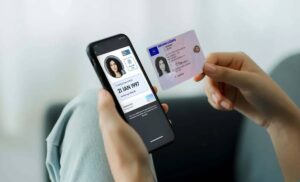
The biggest difference is how the identity information is stored and presented. A physical document exists as a tangible card or booklet, while a digital credential is stored electronically and accessed through an approved device or platform.
1. Convenience
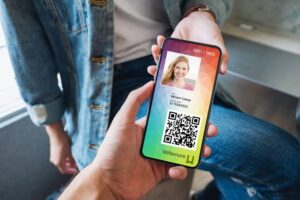
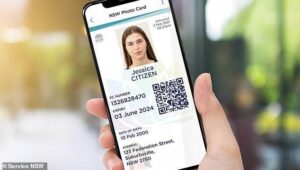
Digital credentials can be convenient because users may be able to access them from a smartphone rather than carrying additional cards or documents. This can make everyday identity verification quicker in locations where digital credentials are officially accepted.
Physical identification requires you to carry the document with you, but it can be immediately presented without depending on a battery, application, internet connection, or compatible device.
2. Acceptance
Acceptance is one of the most important differences. A physical government-issued document may be accepted in situations where a particular digital credential is not.
Digital ID systems vary by country, organization, and service. Before relying on a digital credential, check whether the organization or authority specifically accepts it.
3. Security
Both formats can incorporate security features designed to prevent unauthorized use or fraud.
Digital systems may use encryption, authentication, device security, and controlled information sharing. Physical documents can include photographs, security printing, holograms, embedded chips, and other anti-counterfeiting features.
The actual level of security depends on the issuing authority and the technology used.
4. Privacy
Digital identification can offer more controlled information sharing in some systems. For example, a platform may allow a user to verify a particular attribute without unnecessarily revealing additional personal information.
Physical documents can contain several pieces of information that become visible when the document is presented. However, privacy protections depend heavily on the specific digital or physical identification system.
5. Accessibility
A physical ID does not require a smartphone, application, internet connection, or charged battery. This can make it useful when technology is unavailable.
Digital identification can be highly accessible for people who regularly use smartphones and online services, but access may depend on compatible devices, connectivity, and the availability of the digital system.
contacte-nos
 English
  French
  Portuguese
  Italian
  Chinese
  Spanish