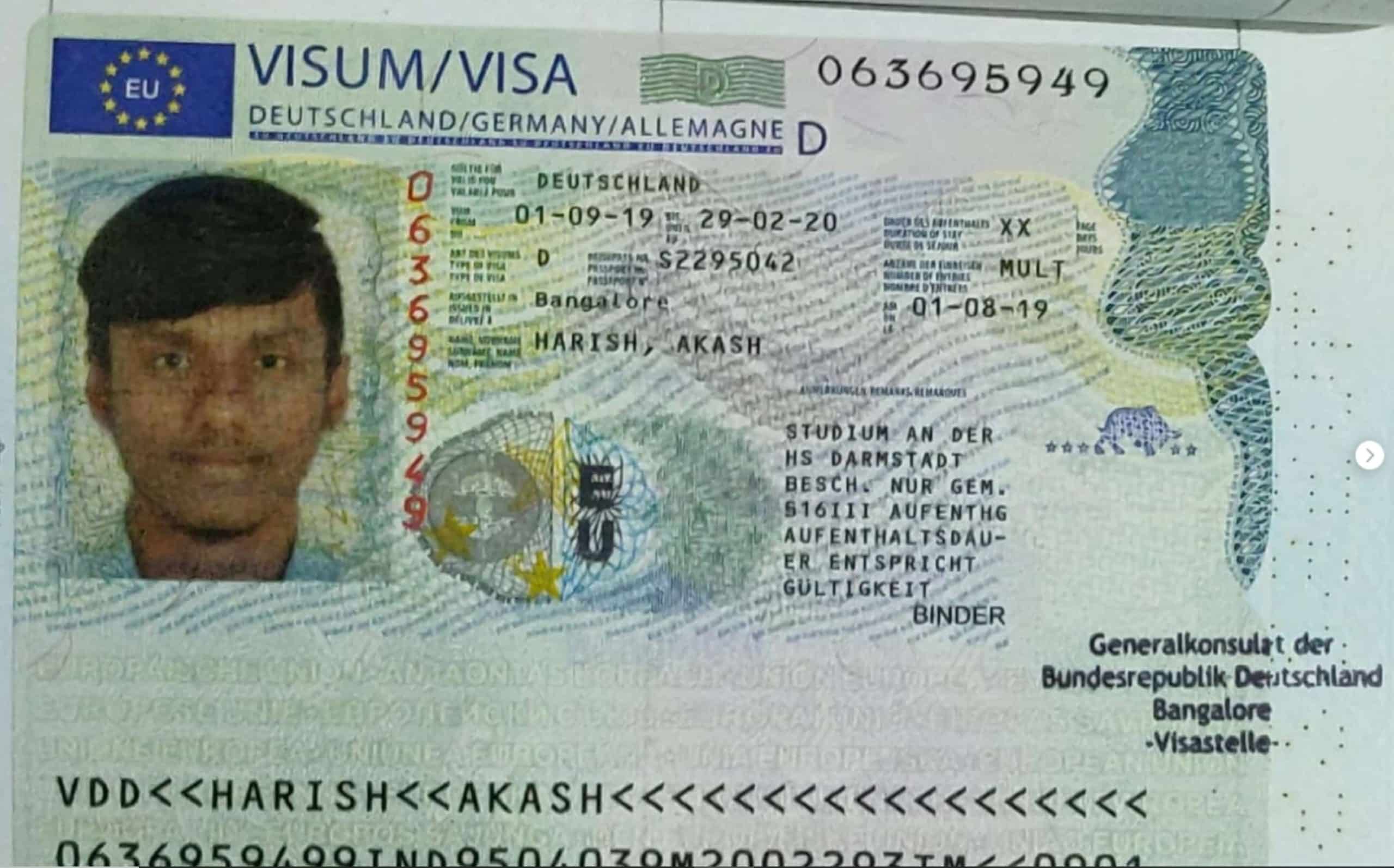
Get EU Visa with ease


Have you had admission in an EU Country University and you have difficulties in getting a visa, Do you have trouble reuniting with your family in an EU country, Is there a must do business in the EU you don’t want to miss, or your are insisting on not missing out on the tourism, look no further.
Contact us for Inquiry EU Travel Visa
EU travel visa , at documents center, we can get you real and fake passports as well as visas. You can apply for an EU country visa from our services. To do this, you should contact our agents online HERE . Furthermore, you should tell the agent the type of visa you want to apply for. You can find information on different types of EU country visas here on this page or visit the government websites of individual EU countries.
EU Travel Visa: Complete Guide to Schengen Visas, Eligibility, Requirements, Application Process, Fees, and Travel Tips
Planning a trip to Europe begins with understanding whether you need an EU travel visa. Every year, millions of travelers visit Europe for tourism, business, family visits, education, and short-term stays. Depending on your nationality and destination, you may need a visa before entering European countries.
Although many people use the term EU travel visa, the document most travelers require is the Schengen Visa, which allows eligible visitors to travel freely across most European countries within the Schengen Area. Understanding how the visa works, who needs one, and how to apply can help ensure a smooth and successful journey.
This comprehensive guide explains everything you need to know about the EU travel visa, including visa types, eligibility requirements, application steps, required documents, processing times, fees, and useful travel tips.
What Is an EU Travel Visa?
An EU travel visa generally refers to a visa that allows eligible non-European citizens to enter countries within the Schengen Area for a limited period.
A Schengen Visa permits travelers to move between participating countries without undergoing additional border checks after entry, making it one of the most convenient travel visas in the world.
The visa is commonly issued for purposes such as:
- Tourism
- Business trips
- Family and friend visits
- Medical treatment
- Cultural events
- Conferences
- Short-term educational programs
Most short-stay Schengen Visas allow stays of up to 90 days within any 180-day period, subject to the visa’s terms and applicable regulations.
What Is the Schengen Area?
The Schengen Area is a group of European countries that have removed internal border controls between participating members.
Travelers with a valid Schengen Visa can usually move freely between participating countries during the validity of their visa without obtaining separate visas for each destination.
However, not every European Union country participates fully in the Schengen Area, and some non-EU countries are part of the Schengen system. Travelers should always verify the entry requirements for every destination on their itinerary.
Who Needs an EU Travel Visa?
Whether you need an EU travel visa depends primarily on:
- Your nationality
- Your destination
- The purpose of your visit
- The length of your stay
Some travelers can enter Schengen countries without a visa for short visits, while others must obtain a visa before traveling.
If you plan to stay longer than the permitted short-stay period or intend to work, study, or live in Europe, you will generally need a different type of national visa or residence permit.
Types of EU Travel Visas
Several visa categories are available depending on the reason for your visit.
Tourist Visa
The tourist visa is intended for:
- Holidays
- Sightseeing
- Leisure travel
- Visiting tourist attractions
It does not permit employment during your stay.
Business Visa
A business visa is suitable for travelers attending:
- Meetings
- Conferences
- Trade fairs
- Business negotiations
- Corporate events
This visa generally does not authorize long-term employment.
Family Visit Visa
Individuals visiting relatives or friends in Europe may apply for a family visit visa.
Applicants may need:
- Invitation letter
- Host information
- Proof of accommodation
- Financial documentation
Medical Visa
Travelers seeking medical treatment in Europe may qualify for a medical visa.
Supporting documentation typically includes:
- Medical reports
- Appointment confirmation
- Treatment details
- Financial evidence
Airport Transit Visa
Some nationalities require an airport transit visa when passing through certain European airports without entering the Schengen Area.
Transit requirements vary depending on nationality and travel route.
Benefits of an EU Travel Visa
Obtaining a valid EU travel visa provides numerous advantages.
Visit Multiple Countries
One of the greatest benefits of a Schengen Visa is the ability to visit several participating countries during one trip without applying for multiple visas.
Convenient Border Travel
Internal border checks between Schengen countries are generally minimal, making travel easier and more efficient.
Tourism Opportunities
Visitors can experience Europe’s:
- Historic cities
- Museums
- Beaches
- Mountains
- Cultural festivals
- Famous landmarks
using a single visa for many destinations.
Business Mobility
Business travelers can attend meetings and conferences in multiple Schengen countries without obtaining separate visas for each country.
EU Travel Visa Requirements
Although requirements vary depending on nationality and purpose of travel, applicants are commonly asked to provide:
- Valid passport
- Completed visa application form
- Recent passport photographs
- Proof of travel itinerary
- Hotel reservations or accommodation details
- Travel medical insurance
- Financial evidence
- Return or onward travel information
- Supporting documents related to the purpose of the visit
Providing complete and accurate documentation significantly improves the likelihood of a successful application.
How to Apply for an EU Travel Visa
Applying for a Schengen Visa typically involves several steps.
Step 1: Determine Your Main Destination
If visiting multiple Schengen countries, apply through the country where:
- You will spend the most time, or
- Your main purpose of travel is located
If visiting one country only, apply through that country’s embassy, consulate, or authorized visa center.
Step 2: Complete the Visa Application
Fill out the official application carefully.
Ensure all information matches your supporting documents.
Step 3: Gather Supporting Documents
Prepare all required documents before your appointment.
Incomplete applications often lead to delays or refusal.
Step 4: Schedule a Visa Appointment
Applicants usually attend an appointment to:
- Submit documents
- Provide biometric information
- Have fingerprints collected (when required)
- Complete identity verification
Step 5: Wait for Processing
Visa applications are reviewed by the relevant authorities.
Processing times vary depending on:
- Country
- Time of year
- Application volume
- Individual circumstances
Applicants are encouraged to apply well before their intended travel date.
EU Travel Visa Processing Time
Processing times vary by embassy and season.
Factors affecting processing include:
- Peak travel periods
- Missing documents
- Additional security checks
- Complex travel history
Submitting a complete application early helps avoid unnecessary delays.
EU Travel Visa Fees
Visa fees depend on:
- Applicant’s age
- Visa category
- Applicable international agreements
- Processing rules
Additional service charges may apply when using external visa application centers.
Applicants should verify current fees before submitting an application.
Reasons an EU Travel Visa May Be Refused
Applications may be refused because of:
- Incomplete documentation
- Insufficient financial evidence
- Unclear travel purpose
- Invalid passport
- Travel insurance issues
- Previous immigration violations
- Concerns regarding return intentions
Carefully preparing your application reduces the risk of refusal.
Tips for a Successful EU Travel Visa Application
Improve your chances by following these recommendations:
- Apply several weeks before your planned departure.
- Ensure your passport is valid for the required period.
- Provide truthful and consistent information.
- Include complete financial documentation.
- Purchase appropriate travel medical insurance.
- Book refundable travel arrangements when possible.
- Keep copies of all submitted documents.
- Follow the application instructions provided by the relevant embassy or visa center.
EU Travel Visa vs Schengen Visa
Many travelers use these terms interchangeably, but there is an important distinction.
| EU Travel Visa | Schengen Visa |
|---|---|
| General term used for travel to Europe | Official short-stay visa for the Schengen Area |
| May refer to travel within Europe | Specifically covers participating Schengen countries |
| Depends on destination and travel purpose | Allows travel within the Schengen Area during its validity |
EU Travel Visa vs Residence Permit
| EU Travel Visa | Residence Permit |
|---|---|
| Intended for short-term visits | Intended for long-term residence |
| Tourism, business, family visits | Work, study, family reunification, or permanent residence |
| Limited duration | Longer validity depending on permit type |
| Does not usually authorize employment | Rights depend on the specific permit |
Common Mistakes Applicants Should Avoid
Avoid these frequent errors:
- Submitting incomplete application forms
- Providing inaccurate information
- Booking non-compliant travel insurance
- Applying too close to the departure date
- Failing to demonstrate sufficient financial resources
- Missing required supporting documents
- Ignoring embassy-specific requirements
Careful preparation increases the likelihood of visa approval.
Frequently Asked Questions
What is an EU travel visa?
An EU travel visa generally refers to the authorization required by eligible travelers to enter European countries. For most short-term visits, this is a Schengen Visa.
How long can I stay with a Schengen Visa?
Many short-stay Schengen Visas allow stays of up to 90 days within a 180-day period, depending on the visa issued and applicable regulations.
Can I visit several countries with one visa?
Yes. A valid Schengen Visa generally allows travel between participating Schengen countries during its validity, subject to visa conditions.
How early should I apply for an EU travel visa?
Applying several weeks before your intended departure is recommended to allow enough time for processing and any additional document requests.
Can a visa guarantee entry into Europe?
No. A valid visa allows you to travel to a port of entry, but border authorities make the final decision on admission based on applicable laws and documentation.
Final Thoughts
An EU travel visa, commonly issued as a Schengen Visa for short stays, opens the door to exploring some of the world’s most popular destinations for tourism, business, and cultural experiences. Understanding the visa requirements, preparing accurate documentation, and applying well in advance can significantly improve your chances of a successful application.
Whether you are planning a European vacation, attending an international conference, visiting family, or exploring multiple countries on a single trip, careful preparation is the key to a smooth travel experience. Before submitting your application, always check the latest visa requirements, fees, processing times, and entry rules published by the embassy or consulate of the country where you will apply, as immigration policies and procedures may change over time.










 English
  French
  Portuguese
  Italian
  Chinese
  Spanish
Recensioni
Ancora non ci sono recensioni.