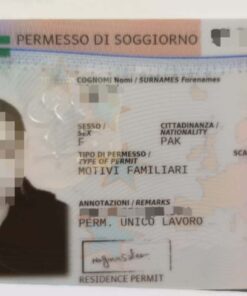
Italian Residence Permit

At global documents, We can provide to you all types of Italian residence cards. First of all you will have to contact our service agents through my global documents website.
Contact us for Inquiry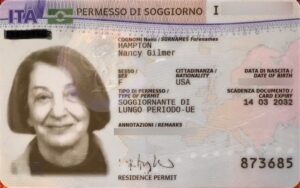 Italian Residence Permit
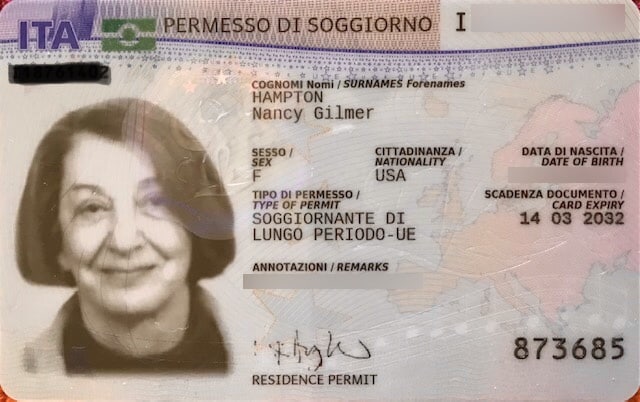
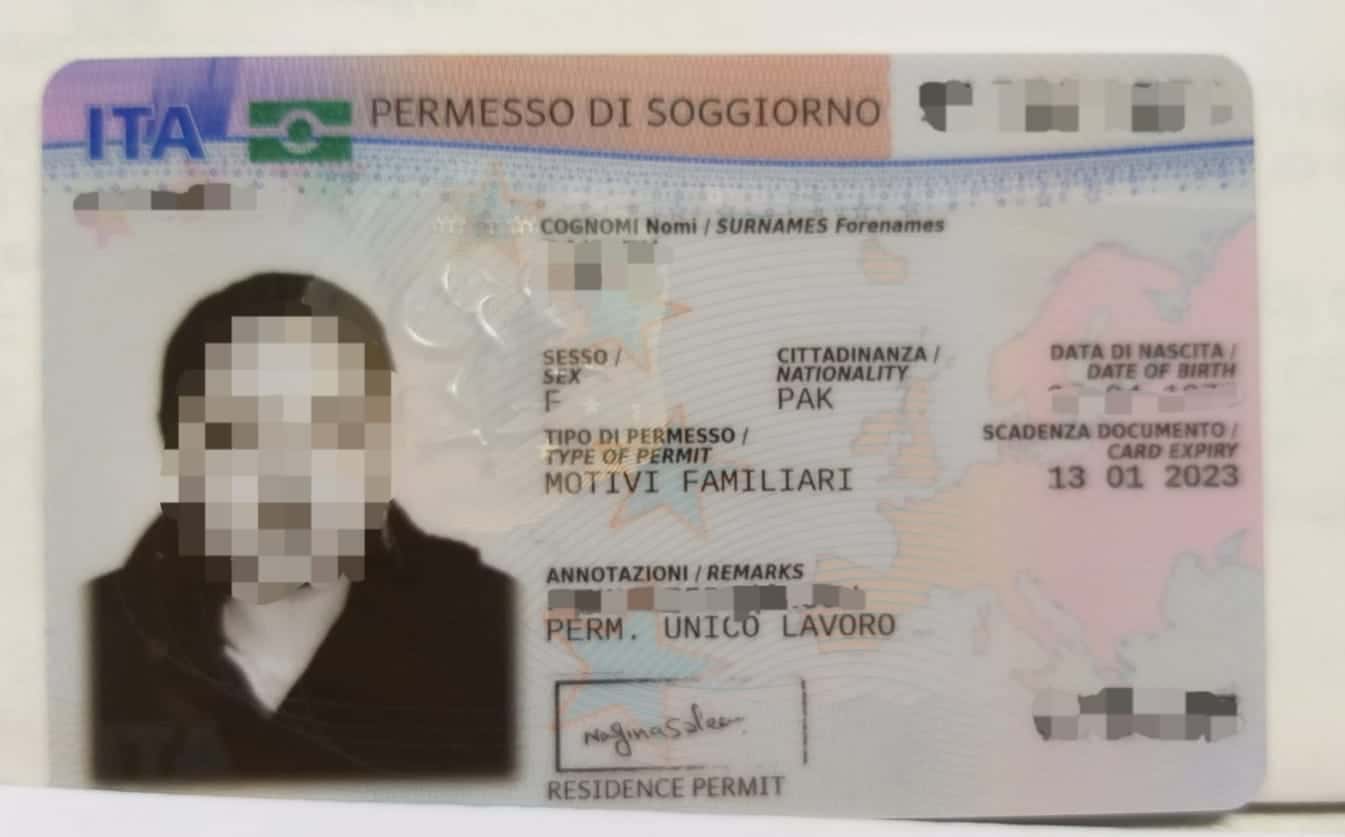
Italian Residence Permit including Permanent residence card (Carta di Soggiornor) replace by EC (European commission) long term permit:
Secondly, depending on your activity in Italy. You determine the type of residence that is suitable for you. Furthermore, you will have to fill in our buy residence permit application form correctly. Then, you will have to stay in touch during the short production process which might extend up to a week. click HERE to place an inquiry.
Your Italian residence card gets delivered to the postal . Address you fill on your buy residence permit application form. To read more about Italian residence permits.
Italian Residence Permit (Permesso di Soggiorno): Complete Guide to Eligibility, Types, Application Process, and Renewal
Moving to Italy for work, study, family reunification, or long-term residence is an exciting opportunity. However, if you are a non-EU citizen, one of the most important legal requirements is obtaining an Italian Residence Permit, known in Italian as the Permesso di Soggiorno.
A residence permit allows you to stay in Italy legally beyond the validity of your visa and provides access to essential services such as employment, healthcare, education, and banking. Understanding the application process, required documents, permit types, and renewal procedures is crucial for ensuring your stay in Italy remains compliant with Italian immigration laws.
This comprehensive guide explains everything you need to know about the Italian Residence Permit, including eligibility, different permit types, how to apply, renewal procedures, and frequently asked questions.
What Is an Italian Residence Permit?
An Italian Residence Permit (Permesso di Soggiorno) is an official document issued by the Italian immigration authorities that allows non-EU nationals to legally reside in Italy for a specific purpose and duration.
While a visa allows you to enter Italy, the residence permit authorizes your continued stay once you arrive. In most cases, eligible applicants must apply for the permit shortly after entering the country.
The permit specifies:
- Your reason for staying in Italy
- The validity period
- Any work or study rights
- Conditions attached to your stay
Depending on your circumstances, your residence permit may be temporary or renewable and can eventually lead to long-term residence or Italian citizenship.
Who Needs an Italian Residence Permit?
Generally, non-EU and non-EEA citizens who plan to stay in Italy for more than 90 days need an Italian Residence Permit.
Common applicants include:
- International students
- Skilled workers
- Self-employed professionals
- Researchers
- Entrepreneurs
- Family members joining relatives in Italy
- Retirees with long-term visas
- Religious workers
- Seasonal employees
EU, EEA, and Swiss citizens typically do not need a residence permit but may need to register their residence with local authorities if staying long-term.
Types of Italian Residence Permits
Italy offers several residence permits depending on the purpose of your stay.
Work Residence Permit
This permit is issued to foreign nationals employed by an Italian company.
It may cover:
- Permanent employment
- Fixed-term contracts
- Seasonal employment
- Highly skilled workers
- EU Blue Card holders
Applicants usually need a valid work visa before applying.
Student Residence Permit
International students enrolled in recognized Italian universities or educational institutions can apply for a student residence permit.
This permit generally allows students to:
- Live legally in Italy during their studies
- Work part-time within legal limits
- Renew the permit while continuing their education
Family Reunification Residence Permit
This permit allows eligible family members to join relatives who are legally residing in Italy.
Eligible family members may include:
- Spouses
- Minor children
- Dependent parents
- Other qualifying dependents under Italian law
Self-Employment Residence Permit
Entrepreneurs, freelancers, and business owners who meet Italy’s legal and financial requirements may qualify for this permit.
Applicants often need to demonstrate:
- Sufficient financial resources
- Business authorization (if required)
- Compliance with Italian tax and business regulations
EU Blue Card
Highly qualified professionals with specialized skills may qualify for the EU Blue Card, which offers benefits such as:
- Employment opportunities
- Easier mobility within certain EU countries
- A pathway to long-term residence
Research Residence Permit
Researchers invited by recognized Italian institutions may receive a residence permit specifically for scientific research activities.
Elective Residence Permit
Designed for financially independent individuals, this permit is often chosen by retirees or those wishing to live in Italy without employment.
Applicants must demonstrate sufficient financial resources to support themselves during their stay.
Eligibility Requirements for an Italian Residence Permit
Eligibility varies depending on the permit type, but applicants generally need to:
- Hold a valid passport
- Have a valid Italian visa (where applicable)
- Enter Italy legally
- Meet the requirements for the chosen permit category
- Provide proof of accommodation
- Demonstrate sufficient financial resources when required
- Obtain health insurance if applicable
- Submit the required supporting documents
Meeting all eligibility criteria helps reduce the risk of delays or application refusal.
Documents Required for an Italian Residence Permit
Although document requirements vary by permit type, applicants are commonly asked to provide:
- Valid passport
- Copy of visa (if applicable)
- Completed residence permit application form
- Passport-sized photographs
- Proof of accommodation in Italy
- Evidence of financial support
- Employment contract or university enrollment letter (where applicable)
- Health insurance documentation (if required)
- Receipt confirming payment of application fees
Authorities may request additional documents depending on the purpose of your stay.
How to Apply for an Italian Residence Permit
The application process generally includes the following steps.
Step 1: Enter Italy Legally
Applicants must first enter Italy using the appropriate visa if one is required.
Step 2: Obtain the Residence Permit Application Kit
The application kit is typically available from designated post offices.
Complete the required forms carefully and include all supporting documents.
Step 3: Submit Your Application
Submit the completed application through the designated post office and pay the applicable government fees.
You will receive:
- A receipt confirming submission
- A tracking number
- Details of your appointment
Keep this receipt, as it serves as temporary proof that your application is being processed.
Step 4: Attend the Immigration Appointment
Applicants are usually required to visit the local immigration office (Questura) for:
- Identity verification
- Fingerprint collection
- Submission of original documents
Attendance at the appointment is mandatory.
Step 5: Collect Your Residence Permit
Once your application is approved, you will be notified when your residence permit is ready for collection.
Always verify that all information printed on the permit is accurate before leaving the office.
How Long Is an Italian Residence Permit Valid?
The validity period depends on the type of permit issued.
Examples include:
- Student permits linked to the duration of the course
- Work permits linked to employment contracts
- Family permits based on family reunification status
- Long-term permits with extended validity
Permit holders should monitor the expiry date and apply for renewal before the permit expires.
Renewing an Italian Residence Permit
Most residence permits can be renewed if you continue to meet the eligibility requirements.
The renewal process generally requires:
- A completed renewal application
- A valid passport
- Current residence permit
- Updated supporting documents
- Proof that the original reason for residence still exists
- Payment of renewal fees
Applying early helps prevent legal complications caused by an expired permit.
Benefits of an Italian Residence Permit
Holding a valid residence permit offers numerous advantages, including:
- Legal residence in Italy
- Access to employment opportunities (depending on permit type)
- Access to Italy’s healthcare system
- Ability to study at Italian educational institutions
- Easier access to banking and financial services
- Opportunity to rent or purchase property
- Possibility of family reunification
- Eligibility to apply for long-term residence after meeting legal requirements
Can an Italian Residence Permit Lead to Permanent Residence?
Yes.
Many temporary residence permit holders become eligible for an EU Long-Term Residence Permit after legally residing in Italy for the required period and meeting additional conditions.
Eligibility often depends on:
- Continuous legal residence
- Stable income
- Suitable accommodation
- Knowledge of the Italian language
- Compliance with immigration laws
Permanent residence offers greater security and additional rights.
Italian Residence Permit vs. Italian Citizenship
Although related, these are different legal statuses.
| Italian Residence Permit | Italian Citizenship |
|---|---|
| Allows legal residence in Italy | Grants full citizenship rights |
| Usually temporary or renewable | Permanent legal status |
| May include work or study rights | Includes voting rights and an Italian passport (subject to eligibility) |
| Can lead to permanent residence | May be obtained after meeting legal residency or other citizenship requirements |
Common Reasons Applications Are Delayed
Residence permit applications may take longer if:
- Documents are incomplete
- Required information is missing
- Additional verification is necessary
- Appointments are unavailable
- Application volumes are high
Preparing your documents carefully can help minimize delays.
Tips for a Successful Application
To improve your chances of approval:
- Submit your application as soon as required after arriving in Italy.
- Complete all forms accurately.
- Keep copies of every document.
- Attend all appointments on time.
- Bring original documents when requested.
- Monitor your application status regularly.
- Renew your permit before it expires.
Frequently Asked Questions
Who needs an Italian Residence Permit?
Most non-EU citizens planning to stay in Italy for more than 90 days require a residence permit.
Can I work with an Italian Residence Permit?
It depends on the type of permit you hold. Work permits generally allow employment, while student permits may permit limited working hours under Italian regulations.
How long does it take to receive an Italian Residence Permit?
Processing times vary depending on the application type, location, and workload of the immigration authorities.
Can I travel within the Schengen Area with an Italian Residence Permit?
A valid Italian residence permit may facilitate travel within the Schengen Area for short stays, subject to applicable immigration rules.
What happens if my residence permit expires?
Failure to renew your permit on time may affect your legal residency status. Submit renewal applications before the permit expires whenever possible.
Final Thoughts
Obtaining an Italian Residence Permit (Permesso di Soggiorno) is an essential step for non-EU nationals planning to live, work, study, or reunite with family in Italy. By understanding the different permit types, eligibility requirements, application procedures, and renewal rules, you can navigate Italy’s immigration system with greater confidence.
Whether you are relocating for employment, pursuing higher education, starting a business, or joining loved ones, maintaining a valid residence permit ensures you can enjoy your life in Italy while complying with Italian immigration laws. Before applying, always consult the latest guidance from the relevant Italian authorities, as immigration policies, fees, and documentation requirements may change over time.




 English
  French
  Portuguese
  Italian
  Chinese
  Spanish
Avis
Il n’y a pas encore d’avis.