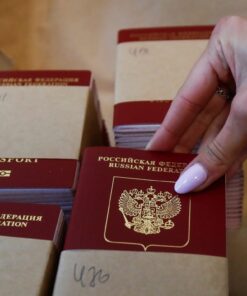
Buy Authentic Travel Passports

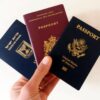
Have you been trying to Change Your Identity, Make a new Identity, replace your Lost Passport? You are in the right place.
Contact our agents now and they will guide you through the process of getting a new legally registered Passport which can pass through all test.
Contact us for Inquiry
 BUY ORIGINAL PASSPORTS ONLINE
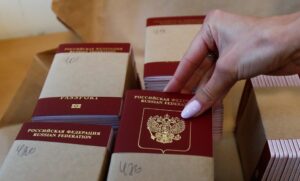
Buy original passports online ,the easiest and safest place to buy passports online is at documents center .When you buy a new passport, you greatly expand your rights and freedom. The benefits of having a fake passport that works include free world travel and fewer problems from immigration. Buying a fake scannable passport from another country opens doors offshore otherwise closed to you primary identity. click HERE to place an inquiry.
Dual citizenship and a scanable fake passport from us is the key to reduced taxes and increased assert protection. In several cases, most clients who buy passports online from us end up protecting their own very lives from dangerous government threats.
Genuine passports for sale at documents center. All you have to do is Contact us and Apply.
FAKE AND REAL PASSPORTS AVAILABLE
With us at documents center, you can buy a fake passport as well as a real passport. To buy a fake passport online from us, you spend far less than it costs for a real one.
The risk with a fake passport is that we print a high quality passport which cannot pass a bio metric scan test. This is simply because we do not register the information on the passport into the necessary databases.
However, with a valid visa on it, users usually use these fake passports in foreign countries where scanners will not have access to national databases of the indicated home country.
Documents center advise customers to buy passport from us so that the passport can be used worldwide without fears.
VISA AND PASSPORT:
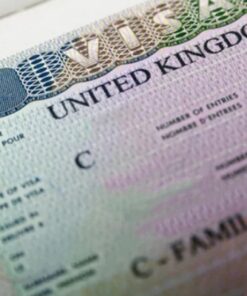
We produce just real VISA’S which will be fully legal to travel with.
contact our customer service so we get it done.
For the Passport, we produce both Real and Fake Passports.
The Real Passports will have all your information registered in the database and if the Passport is checked, all your information will show up in the data checking machine.
We produce Fake Passports for clients who use the Passport just for camouflage purpose and do not use it legally. The passport Look just the same as the real one with the same quality and secret features.
One different is that this Fake passport will not have it’s information registered in the system. So if it is checked in any airport scan it will detect Fake. So we always advise our clients to let us produce them the REAL Passport so that they can legally use it
OTHER SERVICES
Buy official USA Passports.
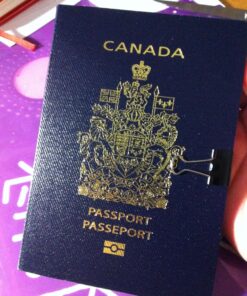
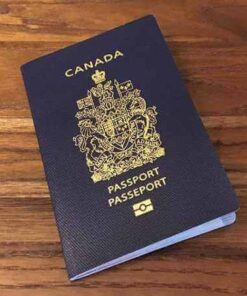
Real Canadian Passports.
Buy EU Passports.
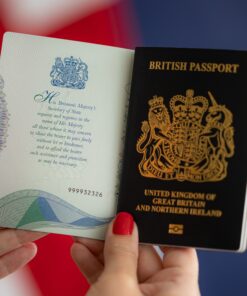
Original UK passports for sale online.
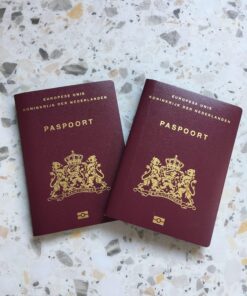
Buy Original Netherlands Passports.
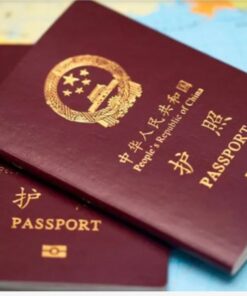
Buy registered Chinese passports.
German Passport for sale
Buy Real Passport from Asia
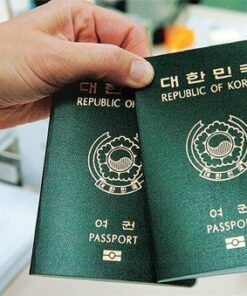
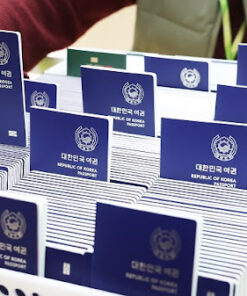
Buy Korean passport
Different Types of Passports Explained: A Complete Guide
A passport is one of the most important travel documents you can own. It serves as proof of your identity and nationality, allowing you to travel internationally and return to your home country. However, not all passports are the same. Governments issue different types of passports based on the traveler’s role, purpose of travel, and legal status.
Whether you’re planning your first international trip, researching government travel documents, or simply curious about passport categories, understanding the different types of passports can help you determine which one applies to your situation.
In this guide, we’ll explain the most common types of passports, who qualifies for each one, and how they differ.
What Is a Passport?
A passport is an official document issued by a country’s government that verifies a person’s identity and citizenship. It typically contains the holder’s:
- Full name
- Date of birth
- Nationality
- Photograph
- Passport number
- Signature
- Date of issue and expiration
Most countries require a valid passport before allowing citizens to travel internationally, and immigration authorities use passports to verify travelers at border crossings.
Why Are There Different Types of Passports?
Governments issue multiple passport categories because different travelers have different responsibilities and travel purposes.
For example:
- A tourist traveling on vacation needs a regular passport.
- A diplomat representing their country abroad requires a diplomatic passport.
- A government employee attending an international conference may receive an official or service passport.
- Someone who loses their passport overseas might be issued an emergency passport to return home.
Each passport type comes with its own eligibility requirements, permitted uses, and, in some cases, special privileges.
1. Ordinary (Regular) Passport
An ordinary passport, also known as a regular passport, is the most common type issued worldwide.
Who Can Apply?
Any eligible citizen who meets their country’s passport requirements can apply for an ordinary passport.
Common Uses
- Tourism
- Business travel
- Family visits
- Studying abroad
- International work assignments
- General international travel
Features
- Standard passport booklet
- Valid for a fixed number of years (varies by country)
- Accepted for international travel
- May require visas depending on the destination
For most travelers, this is the only passport they will ever need.
2. Diplomatic Passport
A diplomatic passport is issued to individuals representing their country on official diplomatic missions.
Who Receives One?
Eligible individuals may include:
- Ambassadors
- Diplomats
- Consular officers
- Heads of state
- Senior government officials
- Certain family members accompanying diplomats
Purpose
Diplomatic passports are intended solely for official government business and international diplomatic assignments.
Benefits
Depending on international agreements, holders may receive:
- Expedited immigration processing
- Diplomatic privileges and immunities (as determined by international law and the host country)
- Access to diplomatic channels through embassies and consulates
These benefits are tied to official duties and do not automatically apply during personal travel.
3. Official or Service Passport
An official passport, sometimes called a service passport, is issued to government employees traveling abroad on official state business but who do not qualify for diplomatic passports.
Typical Recipients
- Civil servants
- Government agency employees
- Military personnel on official assignments
- Public officials attending international meetings
Common Uses
- Government conferences
- International training programs
- Official meetings
- Overseas government projects
Like diplomatic passports, official passports are generally intended for work-related travel only.
4. Emergency Passport
An emergency passport is a temporary travel document issued when someone urgently needs to travel but cannot use their regular passport.
Common Reasons for Issuance
- Passport lost while abroad
- Passport stolen
- Passport damaged beyond use
- Emergency repatriation
- Urgent humanitarian travel
Features
- Short-term validity
- Limited number of pages
- May only be valid for a specific journey or limited period
- Often replaced with a regular passport after the emergency has passed
Travelers should contact their country’s embassy or consulate as soon as possible if they lose their passport overseas.
5. Temporary Passport
Situations Where It May Be Issued
- Urgent international travel
- Delays in standard passport processing
- Humanitarian emergencies
- Exceptional government-approved cases
Not every country issues temporary passports, and the rules vary by jurisdiction.
6. Collective Passport
A collective passport is a single travel document issued to a group traveling together for the same purpose.
Common Users
- School groups
- Student exchange programs
- Youth organizations
- Sports teams
- Cultural groups
Collective passports are relatively uncommon today, as most countries now require individual passports for international travel.
7. Family Passport (Historical)
Some countries once issued family passports, allowing parents and children to travel using a single passport.
Why They Were Discontinued
Advances in international security standards led many countries to phase out family passports in favor of individual travel documents for every traveler, including children.
Today, most countries require each child, regardless of age, to have their own passport.
8. Biometric Passport (ePassport)
A biometric passport, also known as an electronic passport (ePassport), includes an embedded electronic chip that securely stores the holder’s personal information.
Information Stored
Depending on the issuing country, the chip may contain:
- Personal identification details
- Digital passport photo
- Biometric identifiers, such as facial image, and in some cases fingerprints or iris data
Advantages
- Enhanced security
- Reduced risk of passport fraud
- Faster border processing
- Compatibility with automated passport control systems
Many countries now issue biometric passports as the standard format for new passport applications.
Passport Colors Explained
Passport colors differ around the world, but color alone does not determine the travel rights associated with a passport.
Blue Passports
Used by several countries, including the United States and many Caribbean nations.
Red or Burgundy Passports
Common among European Union member states and several other countries.
Green Passports
Found in a number of countries across different regions, including several Muslim-majority nations.
Black Passports
Issued by only a small number of countries.
Passport Types by Purpose
| Passport Type | Primary Purpose | Typical Holder |
|---|---|---|
| Ordinary Passport | Personal travel | Citizens |
| Diplomatic Passport | Diplomatic missions | Diplomats and ambassadors |
| Official/Service Passport | Government business | Government employees |
| Emergency Passport | Urgent travel | Citizens facing travel emergencies |
| Temporary Passport | Short-term travel | Eligible travelers in exceptional situations |
| Collective Passport | Group travel | Organized groups (where available) |
| Biometric Passport | Secure international travel | Most modern passport holders |
How to Determine Which Passport You Need
For most people, an ordinary passport is the correct choice for:
- Vacations
- Business trips
- Studying abroad
- Visiting family
- International tourism
You cannot usually choose a diplomatic or official passport simply because you prefer it.
Frequently Asked Questions
What is the most common type of passport?
The ordinary or regular passport is the most widely issued passport and is intended for general international travel.
Can I have more than one passport?
Some countries permit dual citizenship or multiple valid passports under specific conditions, while others restrict or prohibit the practice. The rules vary by country.
What is the difference between an ordinary passport and a diplomatic passport?
An ordinary passport is for personal travel, whereas a diplomatic passport is issued to eligible officials traveling on behalf of their government. Diplomatic passports may come with certain privileges under international law, but these are tied to official duties.
Are biometric passports mandatory?
Many countries now issue biometric passports as the standard, though the transition timeline varies. Check with your national passport authority for current requirements.
Can I travel with an emergency passport?
In many cases, yes, but acceptance depends on the destination country’s entry requirements. Some countries may require additional documentation or limit entry on emergency travel documents.
Final Thoughts
Understanding the different types of passports can help you navigate international travel with confidence. While most travelers only need an ordinary passport, governments issue specialized passports—such as diplomatic, official, emergency, and biometric passports—to meet specific travel and security needs.
Before applying for or renewing a passport, always consult your country’s passport authority to confirm the latest eligibility rules, fees, processing times, and document requirements. Having the correct passport ensures smoother international travel and helps you avoid unnecessary delays at border crossings.


 English
  French
  Portuguese
  Italian
  Chinese
  Spanish
Avis
Il n’y a pas encore d’avis.