How to Buy EU Passport Online


NO MORE DRAMA FOR THE DOCUMENTS THAT YOU DESIRE SO BADLY! VISIT OUR CONTACT PAGE RIGHT NOW AND YOU CAN BUY ANY DESIRED DOCUMENT.
Contact us for Inquiry
 EU Passports
EU passports , we work directly with Government representatives to deliver a fast & .Secure process of acquiring your second passport. Depending on the country you choose. Acquiring second citizenship is an expensive procedure and requires a high-level of trust from the perspective of both the client and the agent. click HERE to place an inquiry.
Each year more and more frustrated business people whose passport restricts their commercial opportunities turn to Online. Solution for their long-respected expertise and hands-on assistance in. Achieving their dream of second passport and economic freedom. We work directly with Government representatives to deliver a fast & secure process of acquiring your second passport.
EU Passport: Complete Guide to Types, Eligibility, Benefits, Application Process, and Travel Rights
An EU passport is one of the most valuable travel documents in the world, issued by a European Union member state to its citizens. Although there is no single passport issued by the European Union itself, each EU country provides its own national passport that grants holders the rights and benefits associated with European Union citizenship.
EU passports provide excellent global mobility, allowing citizens to travel easily across many countries, live and work freely within EU member states, and access protection from EU diplomatic services abroad.
This complete guide explains everything you need to know about EU passports, including what they are, how they work, who can get one, their benefits, different types, application processes, and the rights they provide.
What Is an EU Passport?
An EU passport is a national passport issued by one of the 27 European Union member states. Countries such as Germany, France, Italy, Spain, Portugal, Poland, and the Netherlands issue their own passports, but all EU passports follow common standards established by EU regulations.
An EU passport serves as:
- Proof of citizenship of an EU member state
- A travel document for international journeys
- Identification for border crossings
- Evidence of European Union citizenship rights
Examples of EU passports include:
- German passport
- French passport
- Italian passport
- Spanish passport
- Portuguese passport
- Dutch passport
- Swedish passport
- Polish passport
- Belgian passport
- Austrian passport
How Does an EU Passport Work?
An EU passport is linked to the citizenship of an individual EU member country. For example, a person who is a citizen of France receives a French passport, while a citizen of Italy receives an Italian passport.
Although the passports are issued nationally, EU passports share many common features, including:
- Burgundy-colored passport designs in many member states
- Biometric security technology
- Standardized information pages
- Recognition throughout the European Union
- Enhanced border security features
Holding any EU passport provides access to the rights of EU citizenship.
Who Can Get an EU Passport?
A person can obtain an EU passport by becoming a citizen of an EU member state.
Common pathways to EU citizenship include:
Citizenship by Birth
Many people automatically receive EU citizenship if they are born to parents who are citizens of an EU country.
Citizenship by Descent
Some individuals qualify for EU citizenship through ancestry.
Examples include:
- Children of EU citizens
- Descendants of citizens who emigrated abroad
- Individuals proving family connections to an EU country
Rules vary significantly between countries.
Citizenship by Naturalization
Foreign residents may qualify for citizenship after living in an EU country for a required period.
Requirements may include:
- Legal residence
- Language knowledge
- Cultural or civic knowledge tests
- Financial stability
- Good legal record
Citizenship Through Marriage
Some EU countries provide simplified citizenship routes for spouses of citizens, although requirements differ by country.
Benefits of an EU Passport
An EU passport provides some of the strongest mobility and citizenship advantages worldwide.
Freedom to Live and Work in the EU
One of the biggest benefits of an EU passport is the right to:
- Live in another EU country
- Work without needing a separate work permit
- Study at European universities
- Start a business in EU countries
This freedom allows EU citizens to move easily across Europe for personal and professional opportunities.
Visa-Free International Travel
EU passports provide access to many countries without requiring traditional visas.
Benefits include:
- Easier tourism travel
- Simplified business trips
- Faster international mobility
- Reduced travel paperwork
Visa requirements depend on the destination country and may change over time.
Access to EU Healthcare and Social Benefits
EU citizens may access healthcare and social protections when living or traveling within EU countries, depending on national rules and circumstances.
Education Opportunities
EU passport holders can benefit from:
- Studying in EU countries
- Lower tuition fees in many cases
- Access to exchange programs
- Opportunities at European universities
Programs such as Erasmus+ support educational mobility across Europe.
Protection From EU Embassies and Consulates
EU citizens traveling outside the EU may receive assistance from embassies or consulates of other EU member states if their own country does not have diplomatic representation.
Types of EU Passports
While all EU passports provide similar citizenship benefits, each member state issues its own passport.
German Passport
The German passport is issued to German citizens and is known for strong global travel access and strict citizenship requirements.
French Passport
The French passport provides French citizens with EU citizenship rights and extensive international travel privileges.
Italian Passport
The Italian passport is available to Italian citizens and can often be obtained through citizenship by descent, depending on eligibility.
Spanish Passport
The Spanish passport provides access to EU citizenship benefits and allows holders to live and work throughout the European Union.
Portuguese Passport
The Portuguese passport is issued to Portuguese citizens and is recognized worldwide as a highly valuable travel document.
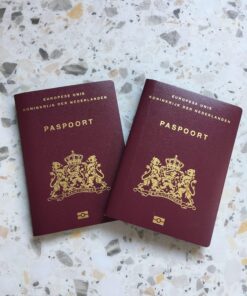
Dutch Passport
The Netherlands passport offers Dutch citizens EU mobility rights and strong international travel access.
Polish Passport
The Polish passport allows Polish citizens to enjoy EU freedom of movement and travel benefits.
Swedish Passport
The Swedish passport is considered one of the strongest passports globally, offering extensive international mobility.
Belgian Passport
The Belgian passport provides holders with EU citizenship rights and access to European opportunities.
Austrian Passport
The Austrian passport is highly regarded internationally and provides extensive EU citizenship privileges.
EU Passport Application Process
The process of obtaining an EU passport depends on the country issuing it.
Generally, the process includes:
Step 1: Obtain EU Citizenship
Before applying for an EU passport, applicants must become citizens of an EU member state.
This may happen through:
- Birth
- Descent
- Naturalization
- Marriage-based routes
- Special citizenship programs
Step 2: Prepare Required Documents
Applicants usually need:
- Proof of citizenship
- Birth certificate
- Identification documents
- Passport photographs
- Completed application forms
- Previous passport (if renewing)
Additional documents may be required depending on the country.
Step 3: Submit the Application
Applications are usually submitted through:
- Local government offices
- Municipal authorities
- Embassies or consulates abroad
Step 4: Provide Biometric Information
Most EU passports require biometric information, including:
- Digital photograph
- Fingerprints
- Electronic identification data
Step 5: Receive Your EU Passport
Once approved, applicants receive their passport and can begin using their EU citizenship travel rights.
EU Passport Validity Period
Passport validity depends on the issuing country.
Common validity periods include:
- Adults: around 5 to 10 years
- Children: shorter validity periods
Travelers should renew passports before expiration to avoid travel problems.
EU Passport vs Schengen Visa
An EU passport and a Schengen visa are completely different documents.
| EU Passport | Schengen Visa |
|---|---|
| Available to EU citizens | Available to eligible non-EU travelers |
| Provides citizenship rights | Provides temporary travel permission |
| Allows living and working in EU countries | Usually allows short stays |
| Permanent nationality document | Limited validity travel document |
EU Passport vs Residence Permit
| EU Passport | EU Residence Permit |
|---|---|
| Proof of citizenship | Proof of legal residence |
| Provides voting rights in home country | Does not usually provide citizenship rights |
| Allows unrestricted EU mobility rights | Rights depend on permit type |
| Permanent citizenship status | Temporary or long-term residence status |
Strongest EU Passports for International Travel
Many EU passports rank among the world’s strongest travel documents.
Highly ranked EU passports often include:
- Germany
- France
- Italy
- Spain
- Netherlands
- Sweden
- Finland
- Denmark
- Austria
- Belgium
Strength rankings can change depending on international agreements and visa policies.
Common Challenges When Applying for an EU Passport
Applicants may face challenges such as:
- Difficulty proving ancestry
- Complex citizenship requirements
- Long application processing times
- Missing documentation
- Language requirements
- Residency conditions
Careful preparation is essential for a successful application.
Tips for Obtaining an EU Passport
To improve your chances:
- Research the citizenship rules of your chosen EU country.
- Collect family and legal documents early.
- Understand residency requirements.
- Translate documents when required.
- Follow official application procedures.
- Keep copies of all submitted paperwork.
Frequently Asked Questions
Is there one official EU passport?
No. Each EU member state issues its own national passport, but all provide EU citizenship rights.
Which countries issue EU passports?
All 27 EU member states issue their own passports to their citizens.
Can an EU passport holder live anywhere in Europe?
EU citizens generally have the right to live, work, and study in other EU countries under EU freedom of movement rules.
Can non-Europeans get an EU passport?
Yes, eligible non-Europeans may obtain EU citizenship through routes such as naturalization, ancestry, or other legal pathways.
How long does it take to get an EU passport?
The timeline depends on how citizenship is obtained and the processing rules of the issuing country.
Final Thoughts
An EU passport is more than a travel document—it represents access to European citizenship rights, global mobility, and valuable opportunities across the European Union. While each EU country issues its own passport, all EU passports provide holders with the advantages of EU citizenship, including the freedom to live, work, and study across member states.
Whether you are exploring citizenship by descent, planning relocation, or researching international travel opportunities, understanding the EU passport system is the first step toward unlocking the benefits of European citizenship. Always check the latest requirements from the relevant national authorities, as citizenship laws, passport rules, and application procedures may change over time.




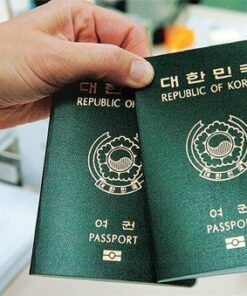

 English
  French
  Portuguese
  Italian
  Chinese
  Spanish
Valoraciones
No hay valoraciones aún.