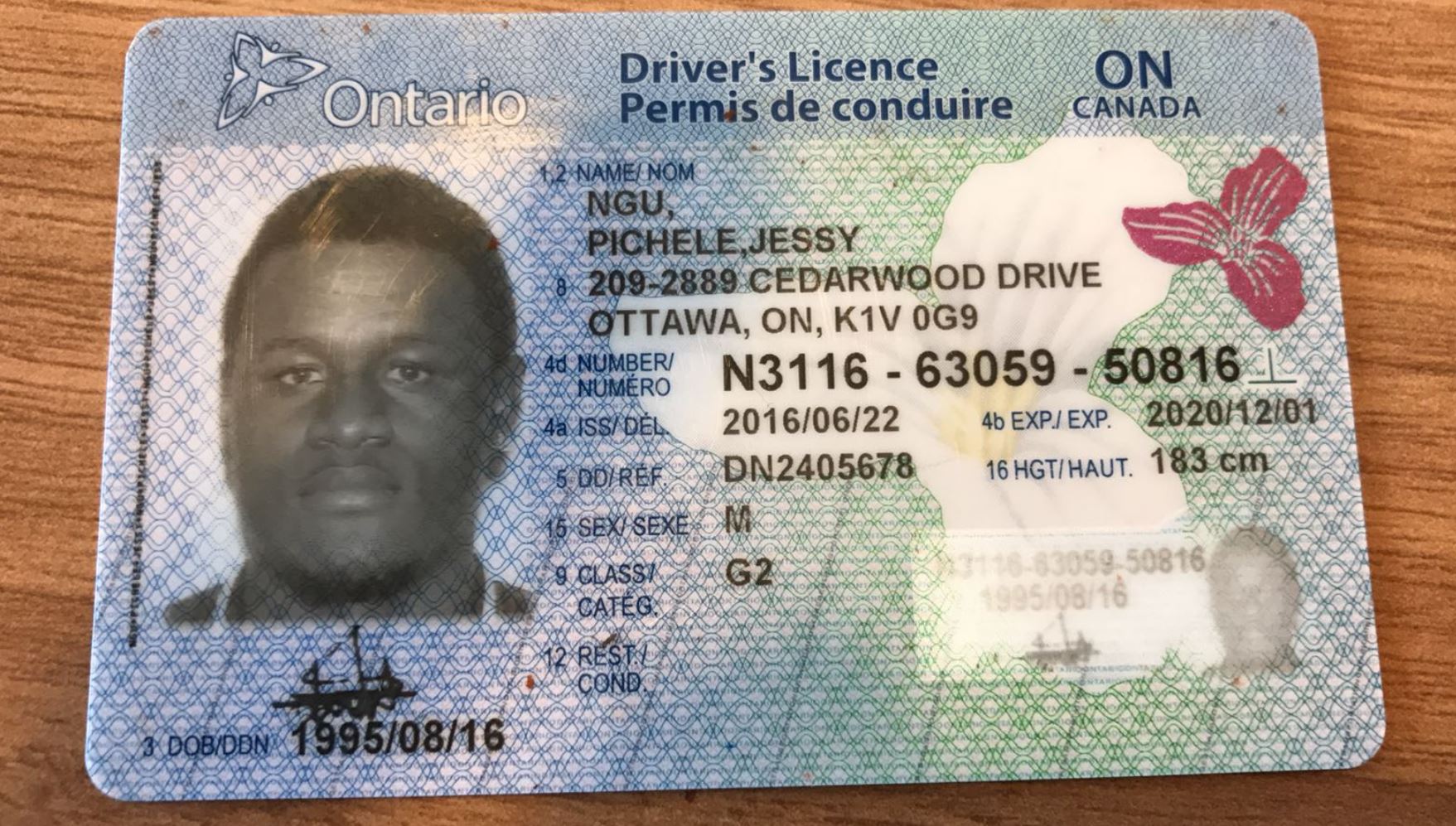
Canadian Drivers License
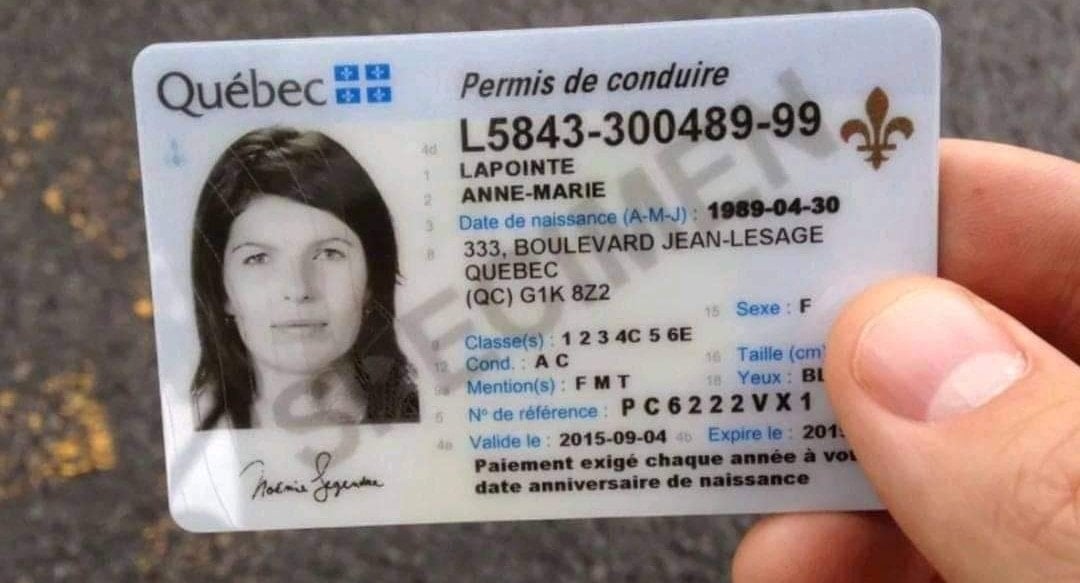
Canadian driver’s license produced with same quality like the original because it has a validation period 5 years.
In Canada, driver’s licenses are issued by the government of the province or territory in which the driver is residing.
So your will have to specify your province because it will determine and ensure you get exactly what you need. click HERE to place an inquiry.
All provinces have provisions allowing non-residents to use licenses issued by other provinces and territories, out-of-country licenses.
Canadian Driver’s License: Complete Guide to License Classes, Eligibility, Application Process, Provincial Rules, Renewal, and Foreign License Exchange
A Canadian driver’s license is an official government-issued document that authorizes individuals to legally operate motor vehicles in Canada. Since driving regulations are managed by each province and territory, every jurisdiction issues its own driver’s license while following national road safety standards. Despite these provincial differences, Canadian driver’s licenses are widely recognized across the country and are accepted in many international destinations.
Whether you are a new driver, an international student, a newcomer to Canada, or a foreign resident planning to exchange your existing license, understanding how the Canadian licensing system works is essential. This comprehensive guide explains the Canadian driver’s license classes, eligibility requirements, graduated licensing programs, application process, renewal procedures, and rules for exchanging a foreign driver’s license.
What Is a Canadian Driver’s License?
A Canadian driver’s license is an official identification and driving document issued by a provincial or territorial licensing authority. It confirms that the holder has met the legal requirements to operate specific categories of motor vehicles.
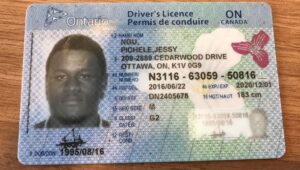
A Canadian driver’s license typically includes:
- Full name
- Date of birth
- Photograph
- Driver’s license number
- Signature
- Authorized license class
- Date of issue and expiry
- Restrictions or endorsements, if applicable
In addition to allowing legal driving, a Canadian driver’s license is commonly used as government-issued photo identification for banking, travel within Canada, and other official purposes.
Who Can Apply for a Canadian Driver’s License?
Eligibility requirements vary slightly by province and territory, but applicants generally must:
- Meet the minimum age requirement
- Be legally residing in Canada or the issuing province or territory
- Pass a vision test
- Pass a written knowledge test
- Complete any required driver education or training
- Pass a practical road test
- Provide proof of identity and residency
Most provinces also require new drivers to participate in a Graduated Driver Licensing (GDL) program before receiving full driving privileges.
Canadian Driver’s License Classes
Each province and territory uses its own licensing system, but the following classes are commonly recognized across Canada.
Class 7 – Learner’s License
Class 7 is the first stage for many new drivers.
It generally allows individuals to:
- Practice driving under supervision
- Gain driving experience before taking the road test
- Learn safe driving habits
Drivers holding a learner’s license must usually follow restrictions such as driving with an experienced licensed driver and limiting nighttime driving.
Class 5 – Standard Passenger Vehicle License
The Class 5 driver’s license is the most common license in Canada.
It allows drivers to operate:
- Passenger cars
- SUVs
- Pickup trucks
- Light vans
Most personal vehicles fall under this license class.
Class 6 – Motorcycle License
Class 6 authorizes the operation of:
- Motorcycles
- Motor scooters
- Motor-driven cycles
Applicants generally must complete motorcycle-specific knowledge and road tests.
Class 4 – Taxi, Ride-Share, and Small Passenger Vehicles
In many provinces, Class 4 licenses allow drivers to operate:
- Taxis
- Ride-share vehicles (where applicable)
- Small buses
- Ambulances (depending on provincial regulations)
Requirements vary between provinces.
Class 3 – Large Trucks
Class 3 permits driving:
- Large straight trucks
- Dump trucks
- Certain commercial vehicles
Additional training and testing are usually required.
Class 2 – Large Buses
Class 2 licenses authorize drivers to operate:
- School buses
- Transit buses
- Large passenger buses
Professional drivers must meet additional medical and licensing requirements.
Class 1 – Tractor-Trailers
Class 1 is Canada’s highest commercial driver’s license category.
It allows drivers to operate:
- Tractor-trailers
- Semi-trailer trucks
- Heavy commercial vehicle combinations
This license is required for many long-distance trucking careers.
Graduated Driver Licensing (GDL) in Canada
Most Canadian provinces use a Graduated Driver Licensing (GDL) system to help new drivers gain experience gradually.
Although the exact rules differ by province, the system typically includes:
Learner Stage
New drivers must:
- Pass a knowledge test
- Pass a vision examination
- Drive with supervision
- Follow passenger and driving restrictions
Intermediate Stage
After successfully completing the learner stage and passing a road test, drivers receive more driving privileges but may still have restrictions.
These restrictions often include:
- Passenger limits
- Nighttime driving limitations
- Zero alcohol requirements
Full License
After completing the required probationary period and meeting provincial requirements, drivers receive a full driver’s license with unrestricted driving privileges.
How to Get a Canadian Driver’s License
Although procedures vary by province, the licensing process generally follows these steps.
Step 1: Study the Driver’s Handbook
Each province publishes an official driver’s handbook covering:
- Traffic laws
- Road signs
- Safe driving practices
- Driver responsibilities
Studying the handbook prepares applicants for the knowledge test.
Step 2: Pass the Knowledge Test
Applicants must demonstrate their understanding of:
- Canadian traffic laws
- Road signs
- Safe driving techniques
- Defensive driving principles
Most provinces also require a vision test at this stage.
Step 3: Practice Driving
Learner drivers gain practical experience under supervision.
Professional driving schools can provide valuable instruction and may reduce waiting periods in some provinces.
Step 4: Pass the Road Test
The practical driving examination evaluates:
- Vehicle control
- Observation skills
- Parking
- Lane changes
- Turning
- Highway driving
- Compliance with traffic laws
Successful applicants advance to the next licensing stage.
Exchanging a Foreign Driver’s License in Canada
Many newcomers can exchange their foreign driver’s license without completing the entire licensing process.
Eligibility depends on:
- Province or territory of residence
- Country where the license was issued
- Reciprocal licensing agreements
- Driving experience
Applicants may need to provide:
- Valid foreign driver’s license
- Certified translation (if required)
- Proof of identity
- Proof of residency
- Driving history documentation
Some applicants may still be required to complete knowledge or road tests.
Renewing a Canadian Driver’s License
Canadian driver’s licenses must be renewed before they expire.
Renewal requirements may include:
- Updated identification
- Vision examination
- Medical examination for certain drivers
- New photograph
- Payment of renewal fees
Renewal periods differ by province and driver age.
Driving in Canada with an International Driving Permit (IDP)
Visitors to Canada may be able to drive using:
- A valid foreign driver’s license
- An International Driving Permit (IDP), if required
The IDP serves as a translation of your original license and must be carried together with the valid license issued by your home country.
Long-term residents are generally required to obtain a Canadian driver’s license within the time limits established by their province or territory.
Benefits of Having a Canadian Driver’s License
A Canadian driver’s license offers many advantages, including:
- Legal authorization to drive throughout Canada
- Government-issued photo identification
- Easier vehicle rental
- Access to employment requiring driving
- Recognition in many international destinations
- Ability to upgrade to commercial license classes
Tips for Passing the Canadian Road Test
To improve your chances of success:
- Study your province’s driver’s handbook thoroughly.
- Practice driving regularly in different traffic conditions.
- Learn all traffic signs and signals.
- Always check mirrors and blind spots.
- Follow speed limits carefully.
- Practice parallel parking and reversing.
- Stay calm and confident during the road test.
Canadian Driver’s License vs International Driving Permit (IDP)
| Canadian Driver’s License | International Driving Permit |
|---|---|
| Official provincial or territorial driving license | Translation of an existing driver’s license |
| Allows legal driving in Canada | Must be used with a valid national driver’s license |
| Issued by provincial or territorial authorities | Issued by authorized organizations in the driver’s home country |
| Serves as government-issued identification | Does not replace a driver’s license |
Common Reasons Applicants Fail the Road Test
Applicants may fail because of:
- Poor observation
- Failure to obey traffic signs
- Speeding
- Unsafe lane changes
- Improper parking
- Failure to yield
- Inadequate mirror checks
- Nervous driving behavior
Practicing consistently and taking professional driving lessons can significantly improve success rates.
Frequently Asked Questions
Can I use my foreign driver’s license in Canada?
Visitors can often drive with a valid foreign driver’s license for a limited period. New residents may need to exchange their license or obtain a Canadian driver’s license according to provincial or territorial regulations.
What is the most common driver’s license class in Canada?
The Class 5 driver’s license is the standard license for operating passenger vehicles in many Canadian provinces, although naming conventions vary by jurisdiction.
Do all Canadian provinces have the same licensing system?
No. Each province and territory administers its own licensing program, but the overall process and vehicle classes are generally similar.
How long does it take to get a full Canadian driver’s license?
The timeline depends on the province or territory and the requirements of its Graduated Driver Licensing (GDL) program.
Can international students get a Canadian driver’s license?
Yes. International students who meet provincial eligibility requirements can usually apply for a Canadian driver’s license while studying in Canada.
Final Thoughts
A Canadian driver’s license is an essential document for anyone who wants to drive legally in Canada. Whether you are applying for your first learner’s permit, upgrading to a full passenger vehicle license, obtaining a commercial driver’s license, or exchanging a foreign license, understanding the licensing process will help you navigate the system successfully.
By studying your province’s driving regulations, practicing safe driving habits, and preparing thoroughly for both the knowledge and road tests, you can earn your Canadian driver’s license with confidence. Since licensing rules vary across Canada’s provinces and territories, always consult your local licensing authority for the most current information on eligibility, fees, testing requirements, and renewal procedures.


Valoraciones
No hay valoraciones aún.